



 Newsletter
 Online Store
 Login
Login


RACE INFO

RACE INFO
Gobi March Blogs 2026
2
PostsGobi March (2026) blog posts from Bukhsuuri Bazar
24 April 2026 10:47 am (GMT+08:00) Irkutsk, Ulaan Bataar
Bukhsuuri Baza, a Mongolian herder, is sending reports on his training for the Gobi March.
Training & Preparation
1. How is your Gobi March training progressing? I have been training well.
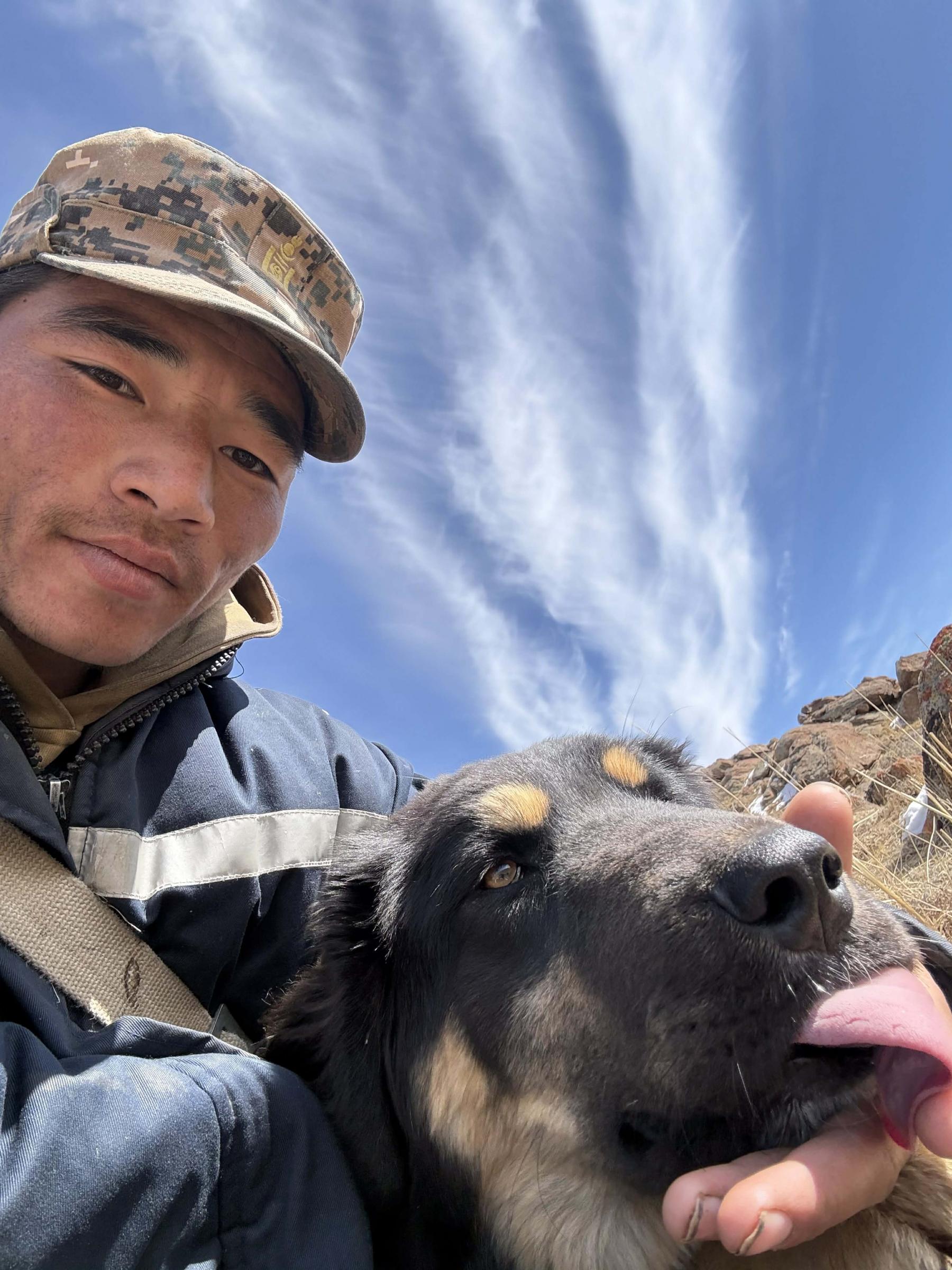
2. What does a typical training day look like for you in the mountains of Khovd, and how many kilometres are you currently running each week? I’ve put together a solid plan to tackle a 70km run. I’m building up my distance slowly and doing most of my training in the mountains to get used to the elevation.
3. Many runners preparing for desert ultramarathons struggle with heat, distance, and self‑sufficiency. Which part of the Gobi March feels most challenging to you? Since this is my first time doing an ultra marathon, I’m still figuring things out. I think the heat will be the biggest challenge, but having grown up in a harsh, continental climate, I feel well‑adjusted to tough conditions.
Gear & Equipment
4. What kit are you planning to bring for the Gobi March (clothing, footwear, etc)? I haven't fully geared up yet. I'm planning to buy my running shoes and apparel soon, and I'm currently researching the best hydration vest/backpack for the distance.
5. Are there any pieces of kit you think are especially important in the Gobi Desert? Proper hydration and sun protection are my top priorities. Staying hydrated is non‑negotiable, and I need to ensure I'm shielded from the sun during the long hours on the trail.
Nutrition & Fuel
6. What does your daily nutrition look like during training? My routine is going well. I wake up, have milk tea, and eat a light meal before training. As soon as I finish, I have a full meal. I’m also incorporating animal fats and fatty meats into my diet for sustained energy.
7. Which Expedition Foods meal do you think will be your favourite? As a Mongolian athlete, my body performs best on high‑protein and high‑fat diets. I am looking for your High‑Calorie (800kcal+) range and meat‑based meals to match my traditional nutritional needs for this challenge.
Mongolian Culture & Local Insight
8. As someone who grew up in the Mongolian countryside, what are the most beautiful or meaningful places that you think Gobi March competitors should visit? Growing up in the vast, open landscapes of Mongolia, I’ve learned that the environment isn't an obstacle—it’s a companion. Whether it's under the hot sun or on a rugged mountain ridge, the feeling of liberty I get from running makes every kilometer worth it.
9. What traditional Mongolian foods would you recommend visitors try while they’re here? I would love to offer foreign runners the meat of our mountain goats. These animals graze on the rarest, most nutrient‑dense medicinal plants and grasses at the highest peaks, which makes their meat exceptionally healthy. Preparing a traditional Khorkhog (meat seared with hot stones) would be the perfect way for them to recover and experience the true taste of Mongolian mountain culture.
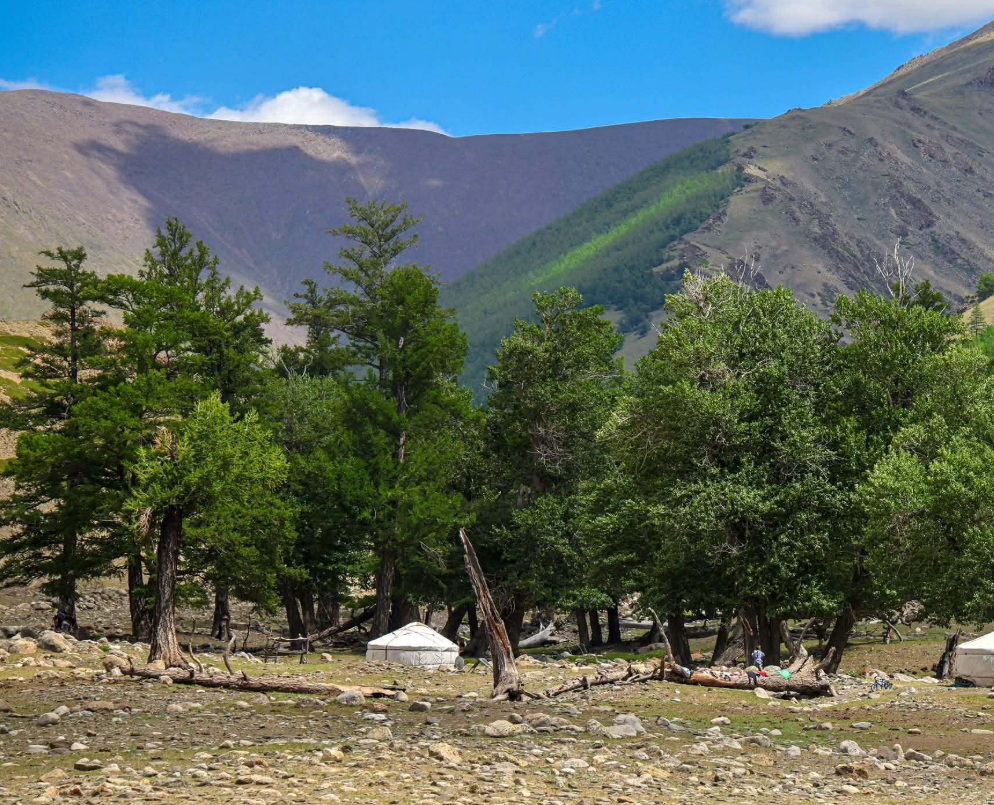
10. Many competitors are fascinated by the Mongolian ger. Could you describe what makes it special and what daily life inside a ger is like? I was born and raised in a Mongolian Ger, and I still live this traditional lifestyle today. As a young descendant of nomads, I raise the 'Five Kinds of Livestock' and follow the rhythm of the seasons. The Mongolian Ger is a masterpiece of world heritage, designed for all four seasons. The Ger is the heart of our tradition because it keeps us in perfect harmony with nature. Everything—from the wooden frame to the wool coverings—is made from natural materials and leaves no trace on the Earth. It is incredibly efficient; two or three people can set it up or take it down in just 30 minutes. Every time we move, we clean the site thoroughly to show our gratitude to the land. Living in a Ger is the ultimate way to respect the Earth—we don't dig into the soil or scar the landscape; we live in balance with the mountains and the sky.
Resilience & Environment
11. You’ve experienced some of the harshest winters on earth. How do you cope with extreme temperatures? Foreigners often see the Mongolian climate as harsh and brutal, as if we are merely struggling to survive. But the truth is, we embrace it. Of course, there are difficult times, but we overcome them together—with family, our loved ones, and our loyal dogs and horses. There is a profound beauty in that shared struggle. My father always loves to say: “Behind every great difficulty, lies the most beautiful reward.” This philosophy is what carries me through the mountains and through life.
12. What lessons from your nomadic herding lifestyle do you think will help you during a multi‑day race like the Gobi March? I grew up running through rocky, mountainous terrain while herding livestock. In the winter, I would head out early in the cold and return late in the evening. This life has built a natural endurance in me, and I am confident that my body is conditioned to handle the heavy physical load of this challenge.
12 March 2026 11:49 am (GMT+08:00) Irkutsk, Ulaan Bataar
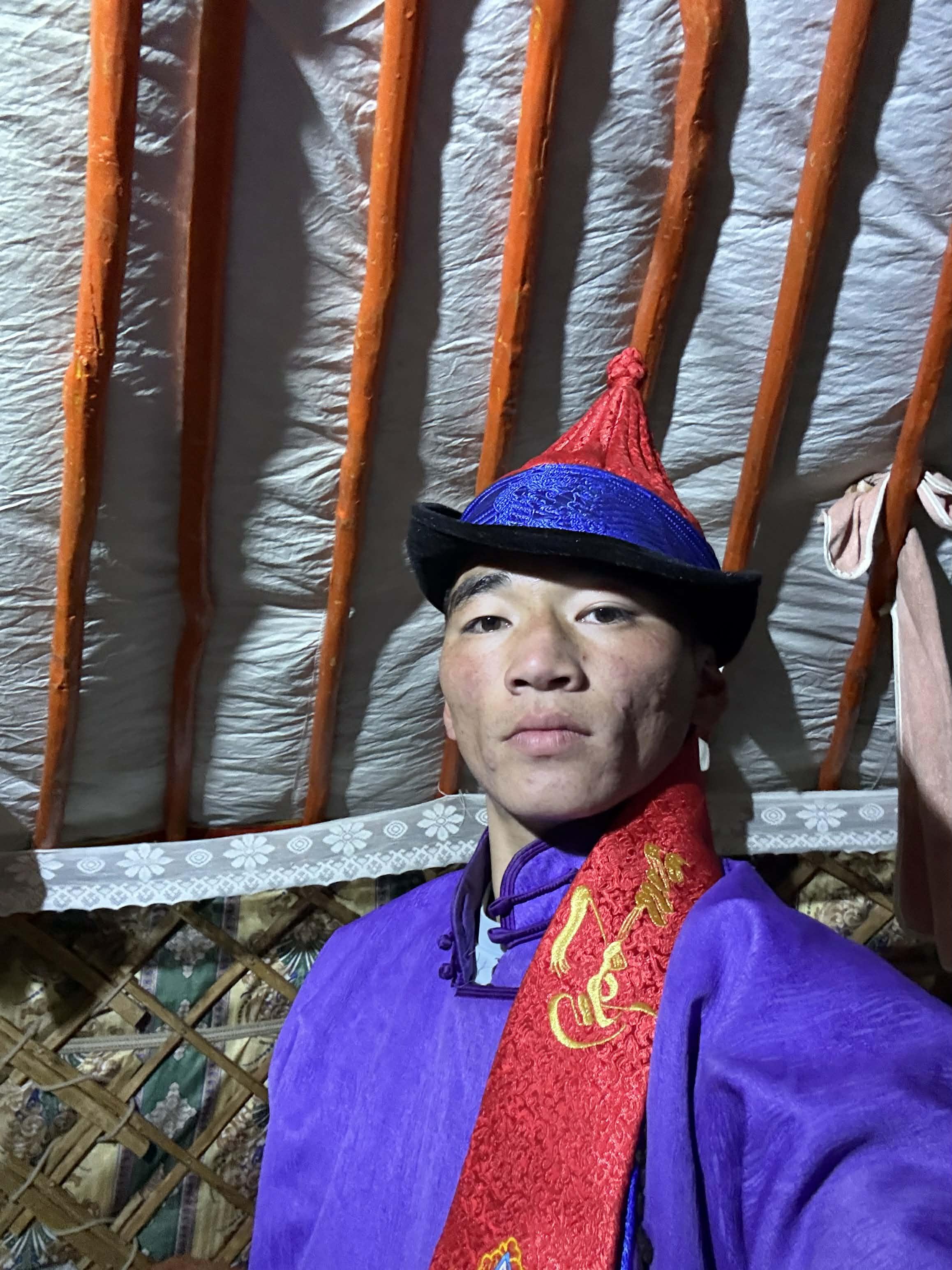
My name is Bukhsuuri Bazar ("Bazar") and am looking forward to taking part in the Gobi March (Mongolia) 2026.
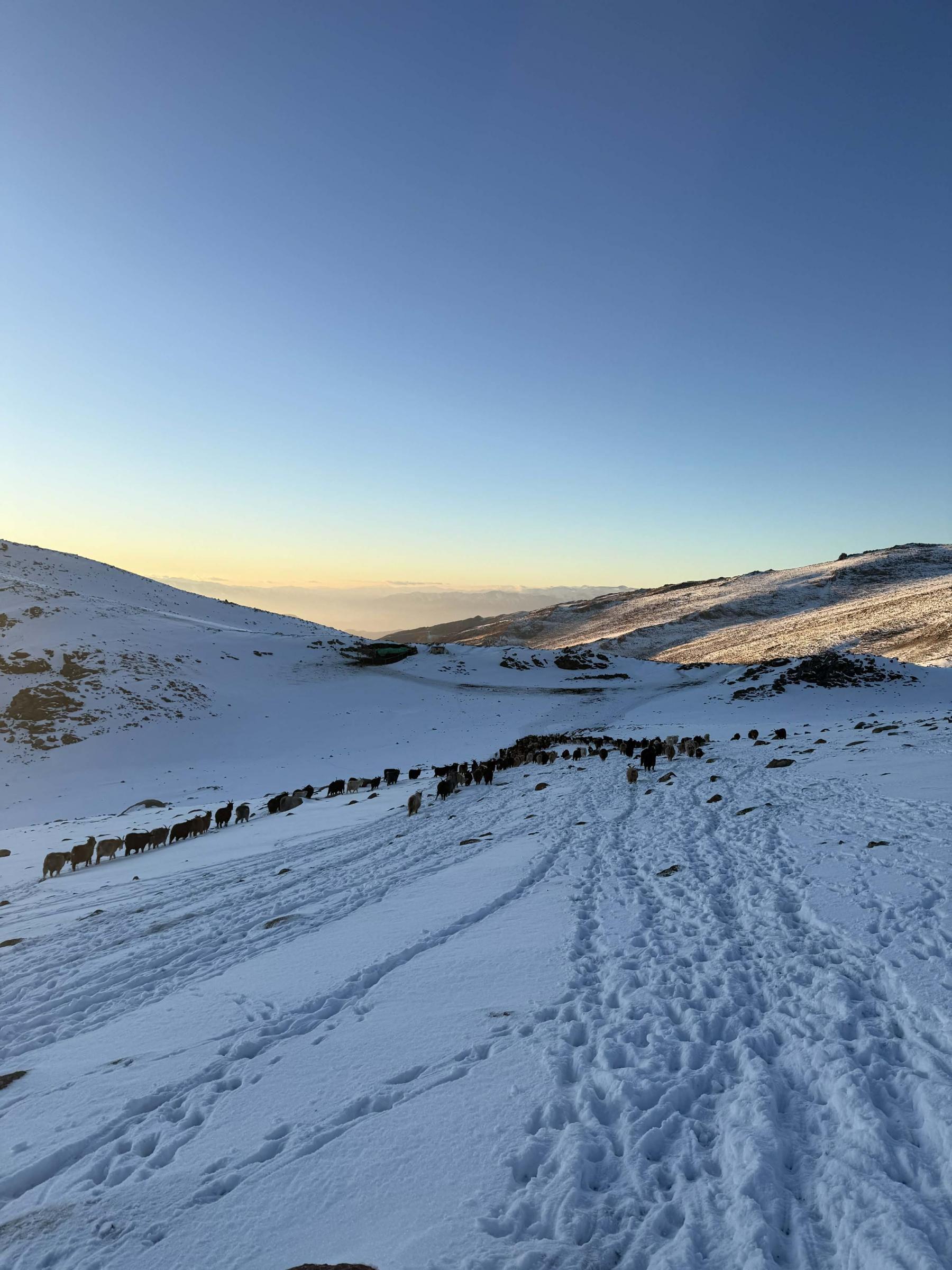
1. I was born on May 13, 2004, in the Uliast bag of Uyench sum, Khovd province. I am the third son in a large family—I have three older sisters, two older brothers, and one younger brother. Currently, I live with my parents in the countryside, where we lead a traditional nomadic life herding the "five kinds of livestock" (sheep, goats, cattle, horses, and camels). I have completed my secondary education and my mandatory military service. While I am a passionate amateur chess player, my daily "profession" is the demanding and rewarding work of a Mongolian herder.
2. My athleticism was forged by the nomadic lifestyle. From a young age, I grew up running through the mountains to gather lambs and kids, taming colts, riding horses, loading camels, and tending to cattle. This rugged, high-altitude environment shaped my physical endurance. During my school years, I would walk or run 17 km every Friday to get home. I have always loved hiking to high mountain peaks to breathe the fresh air and experience the vastness of my country.
3. I have been walking and running in the mountains since childhood, but I began training more formally on April 20, 2025. I initially started running to support my health while managing my livestock. What draws me to it is the connection between the physical challenge and the natural landscape.
4. I competed in the 2025 Ulaanbaatar Marathon (BIB 7432) and finished with a time of 3 hours and 58 minutes. My running has evolved from a daily necessity in the countryside to a personal challenge that I now pursue with discipline and pride.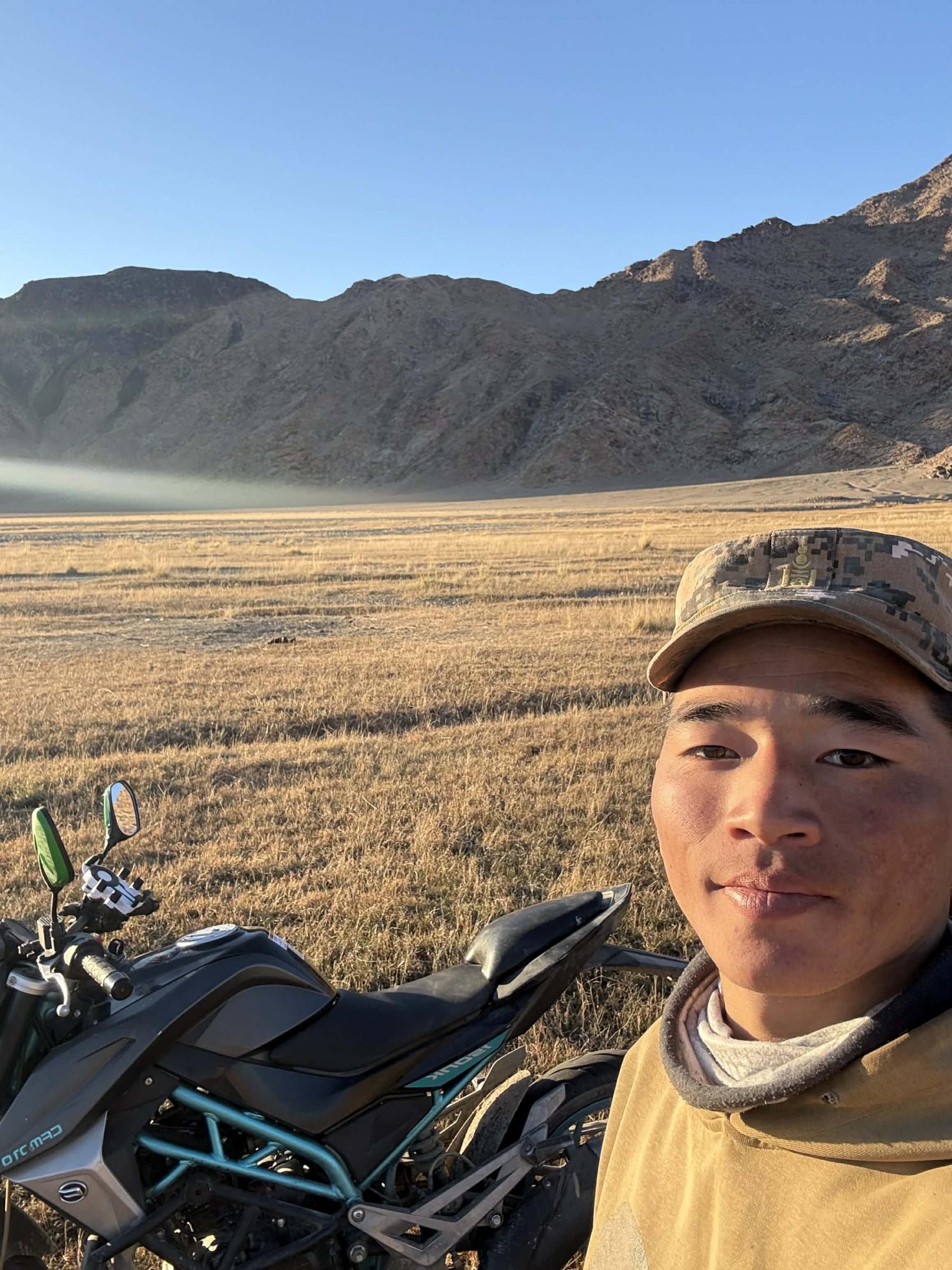
Motivation & Journey to the Gobi March
5. My friends gave me a lot of encouragement and confidence to take this on. When I learned the race was happening in Mongolia, I realized it was a perfect opportunity. As a young herder carrying forward Mongolian traditions, I felt I had the mental and physical grit to take part.
6. My primary goal is to conquer myself—to test my own limits. It is also deeply personal for me because I am participating to represent the Mongolian herder community. I want to show the world the strength of our people.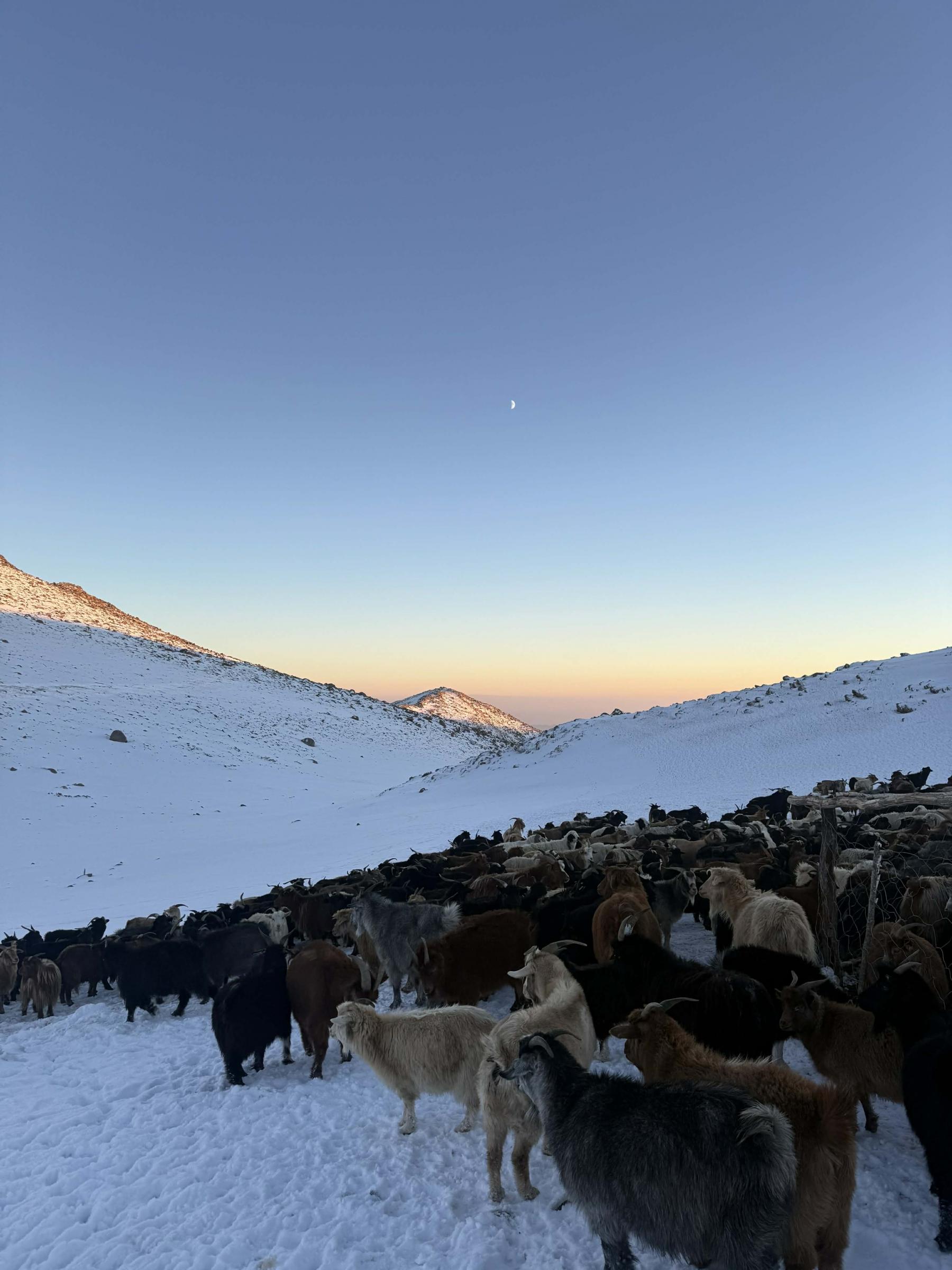
Preparation, Gear & Nutrition
7. I am planning to use high-quality, standard-compliant gear that can withstand the harsh desert environment. For nutrition, I will focus on high-standard, nutrient-dense foods that provide the sustained energy required for a week-long trek in the Gobi.
8. My training happens every day in the mountains. I prepare by walking long distances while herding my animals. The rugged terrain of Khovd is the perfect training ground for the unpredictable climate and surfaces of the Gobi.
Experience & Advice
9. To truly understand Mongolia, you must look beyond the horizon. My suggestion is to embrace the feeling of absolute freedom found in our vast steppes. When you are out there, perhaps riding a horse across the open plains, you feel a profound spiritual connection to nature that is hard to find anywhere else. It is a place where the earth and sky meet, and you realize you are part of something much larger. Listen to the wind, appreciate the hospitality of the nomadic people, and let the spirit of the land give you strength during the race.
10. I am looking forward to those unique, unrepeatable moments of happiness that come from being in nature and the satisfaction of completing such a legendary challenge.
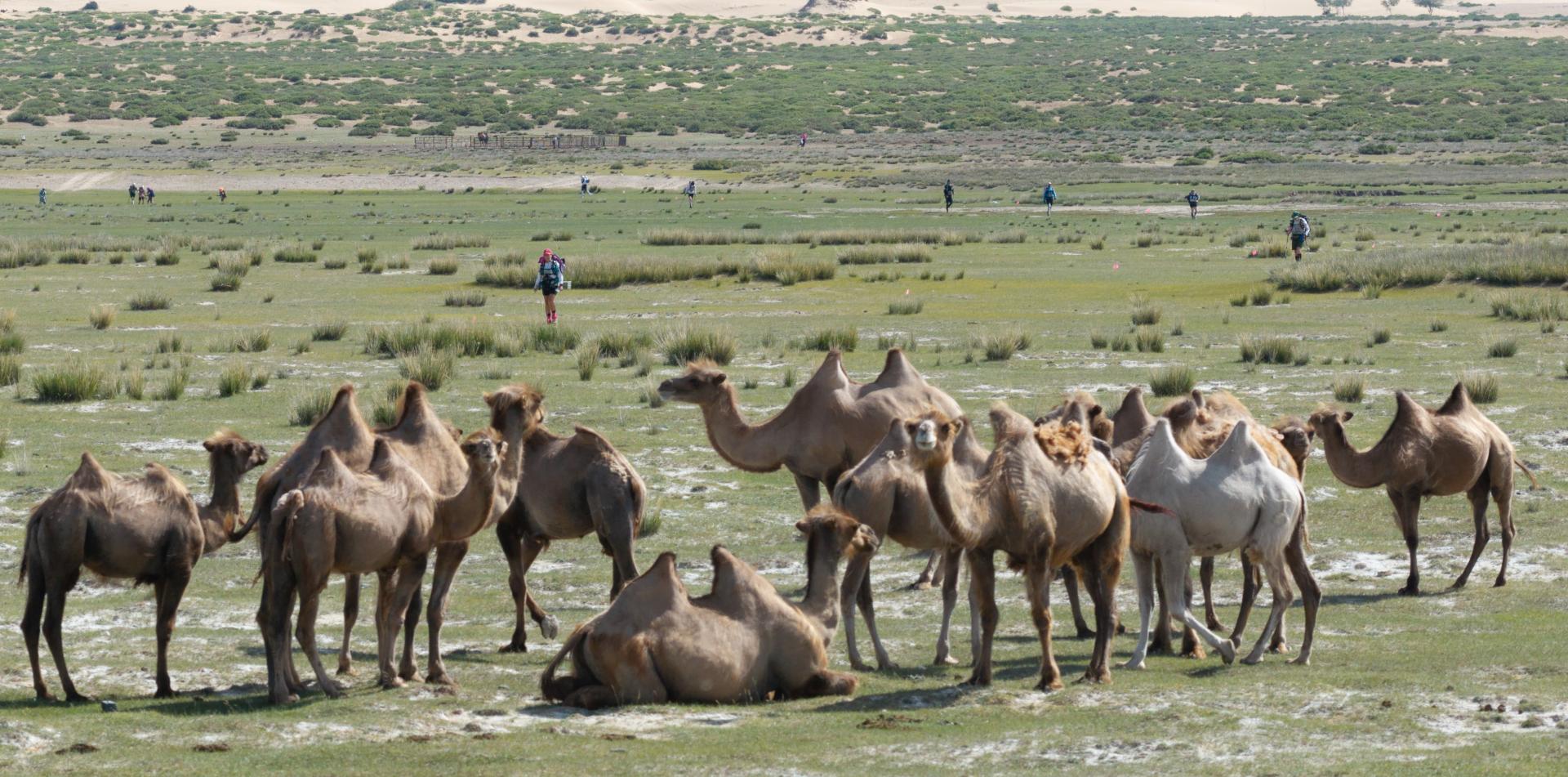
Photos from my home: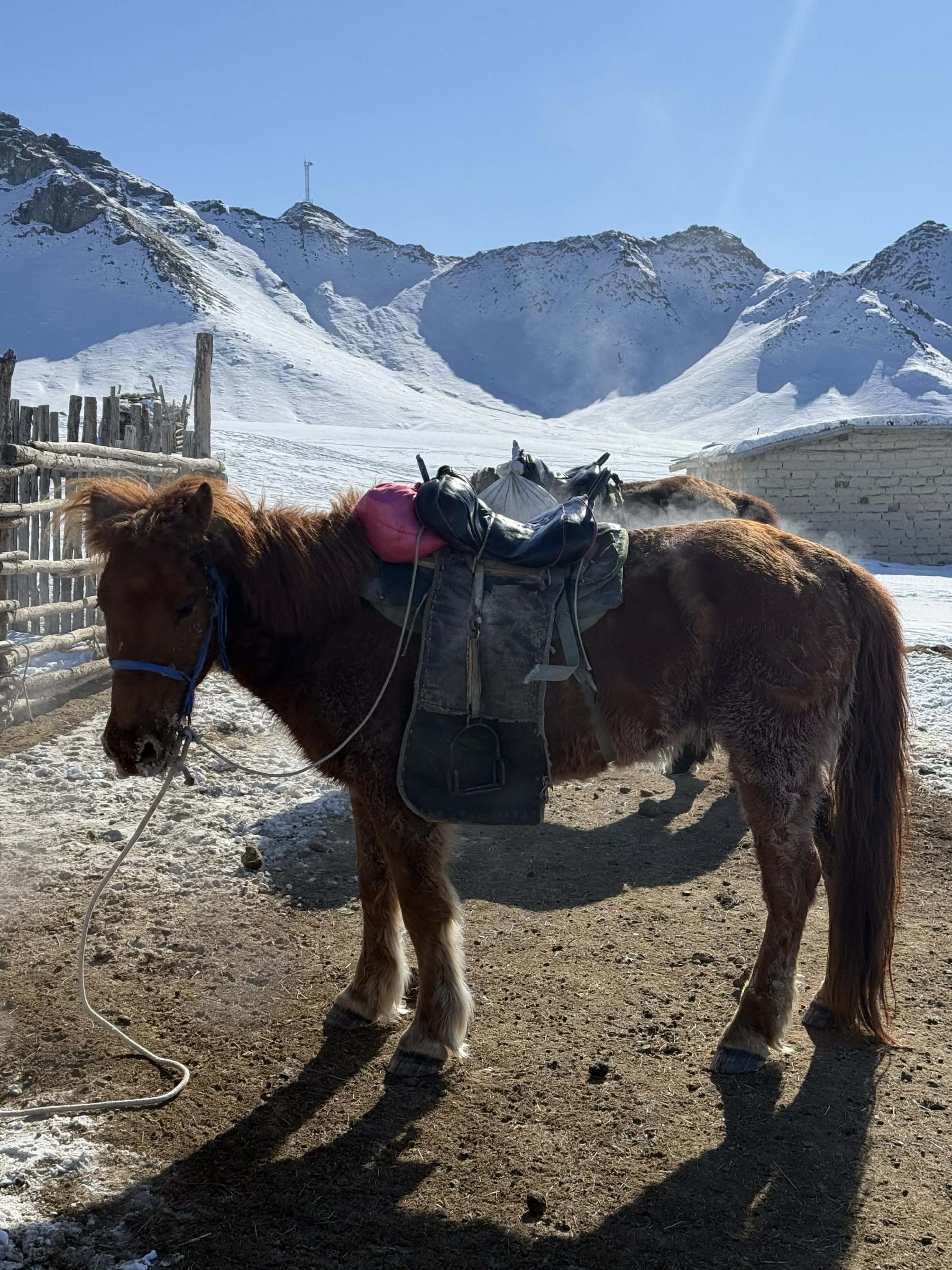
Comments: Total (3) comments
Sonia Pahwa
Posted On: 19 Jun 2026 06:29 pm
Claire MICHELETTI
Posted On: 25 May 2026 08:16 pm
Marisa Rodriguez
Posted On: 15 May 2026 11:00 am