



 Newsletter
 Online Store
 Login
Login


Race Coverage

RACE Coverage
QUICK FACTS
The next edition of the Namib Race starts on 21 May 2028.
The full event schedule is 10 days from the 18 to 28 May.
It is a 250km, 6-Stage, 7-day, self-supported ultramarathon.
The Namib Race is part of the 4 Deserts Ultramarathon Series, named by TIME magazine as one of the Top 10 Endurance Competitions in the world.
2028 is the 9th edition of the Namib Race which replaced the Sahara Race (Egypt) in 2016.
The meeting place is the coastal desert town of Swakopmund.
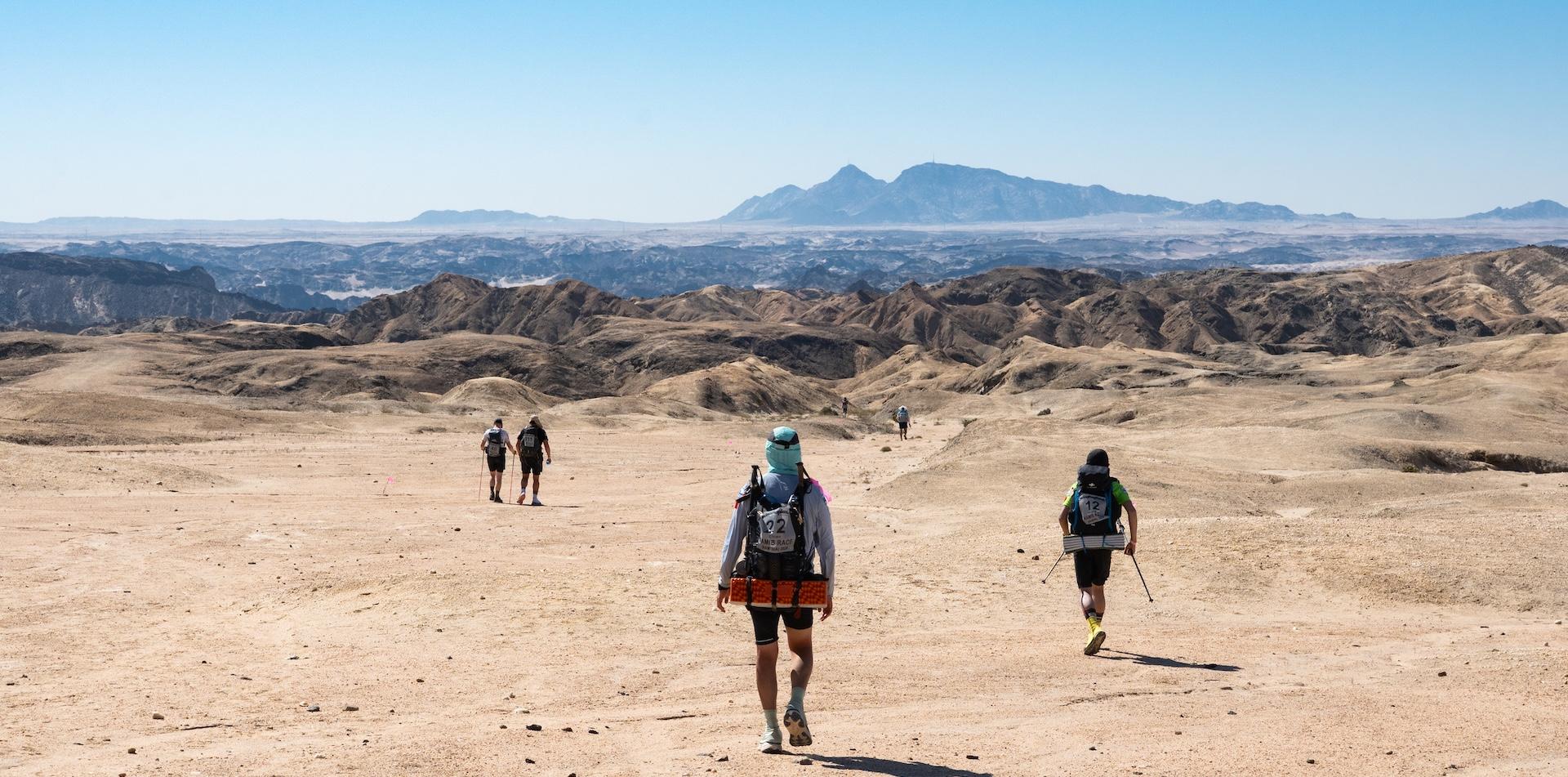
The Namib Race takes place in the Namib Desert of Namibia, which is considered the oldest desert of the world with the largest dunes and boasts some of the most iconic desert landscapes.
As well as the sandy terrain of the beaches and dunes there are also hard packed tracks, rocky scrambles, single-track trails and dry riverbeds
The highest point is at 550 meters / 1,800 feet.
May is the dry, winter season in Namibia, which is characterised by clear, sunny days and cool nights. Expect temperatures up to 35C / 95F.
UltraLite (Namibia) is held alongside the Namib Race. UltraLite competitors will complete up to 110km / 68 miles.
UltraLite (Namibia) can be completed in a supported format – this means that a Camp bag will be transported for you from Camp to Camp.
The number of UltraLite competitors is limited to 25.
It is possible to walk the entire course and still complete the race. The cut-off times are set at an average walking speed of 4km / 2.5 miles per hour.
The Namib Race is a self-supported race which means that competitors carry everything they need for the week in a backpack, except tents and water.
Stages 1 to 4 are a marathon distance, with a double marathon on Stage 5.
90% of Namibia is classed as desert. You will experience the full spectrum that a desert has to offer, with diverse scenery and terrain
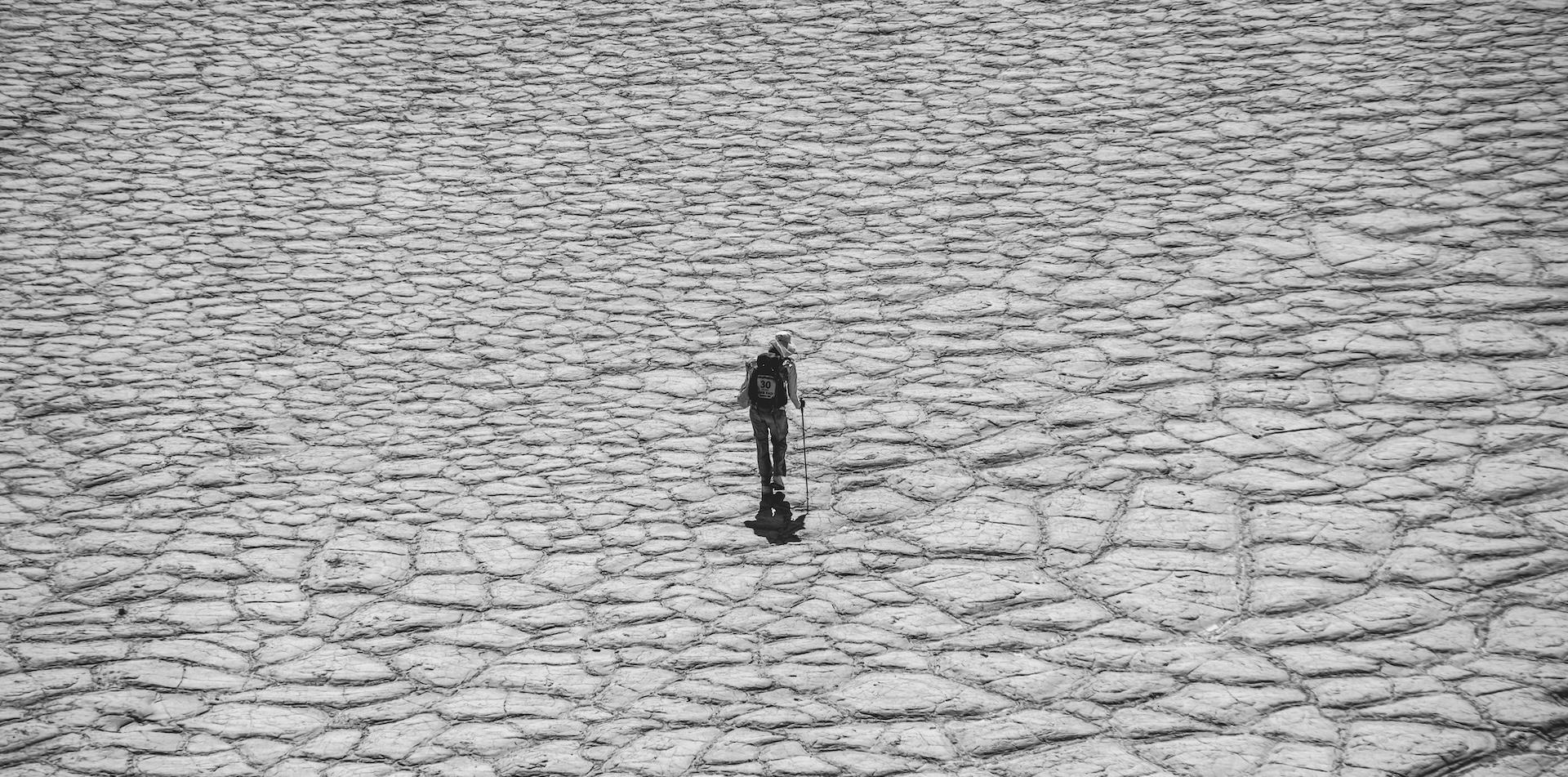
Highlights of the Namib Race include sand seas, wide-open plains, scattered mountain outcrops, the moon-like landscape of the Namibian ‘Moon Valley', Atlantic waves crashing against the sandy desert shoreline, small settlements, traversing salt pans, passing salt lakes which are home to flamingos, running over the infamous dunes of the Namib desert and into dry riverbeds where a hint of water gives way to lush green vegetation.
There is a fascinating array of plants and animals, many of which are endemic to the area as a result of the age of the desert. You may see springbok, oryx, hyena, flamingos, ostrich and zebra.
Namibia is one of the least densely populated countries in the world but still retains great culture.
Total elevation gain and loss is approximately 2,000 meters / 7,000 feet.
The equipment list includes 35 mandatory items.
The average weight of a backpack is 10kg / 22lbs.
The leaders race at an average speed of 10km per hour / 6 miles per hour, completing the entire course in under 24 hours.
On average, 20% of people run the entire course, 20% walk the entire course and 60% combine running with walking.
The race is limited to 150 competitors.
The field is generally 70% male / 30% female. The youngest person is 18 and oldest is in their 70s with more than 40 countries represented.
The deadline for registering is 120 days before the race – 22 January 2028.
The entry fee is US$4,200 until 120 days before. After 22 January 2028, this increases by US$300.
Almost everything is included in the entry fee once you arrive in host town.
Accommodation is provided for nine nights – two nights in a hotel in Swakopmund and seven nights in tented accommodation at six different campsites.