



 Newsletter
 Online Store
 Login
Login


RACE INFO

RACE INFO
BRAZIL 2027: LOCATION, WEATHER & CULTURE
Brazil is the fifth largest country in the world. It is enormous!
We have selected the Bahia region in the north-east of Brazil – specifically Chapada Diamantina, accessed through Salvador due to the breath-taking scenery, diverse maze of trails, unique highlights, and deep culture and history.
LOCATION
Chapada Diamantina sits in the heart of Bahia in the northeast of Brazil. It is accessed through Salvador – the gateway to the north-east which is far enough away to feel wonderfully remote but still reachable by a short flight or by road.
The National Park and its surrounding region are anchored by the small town of Lençóis, a former diamond mining centre that now serves as the main gateway to this natural paradise.
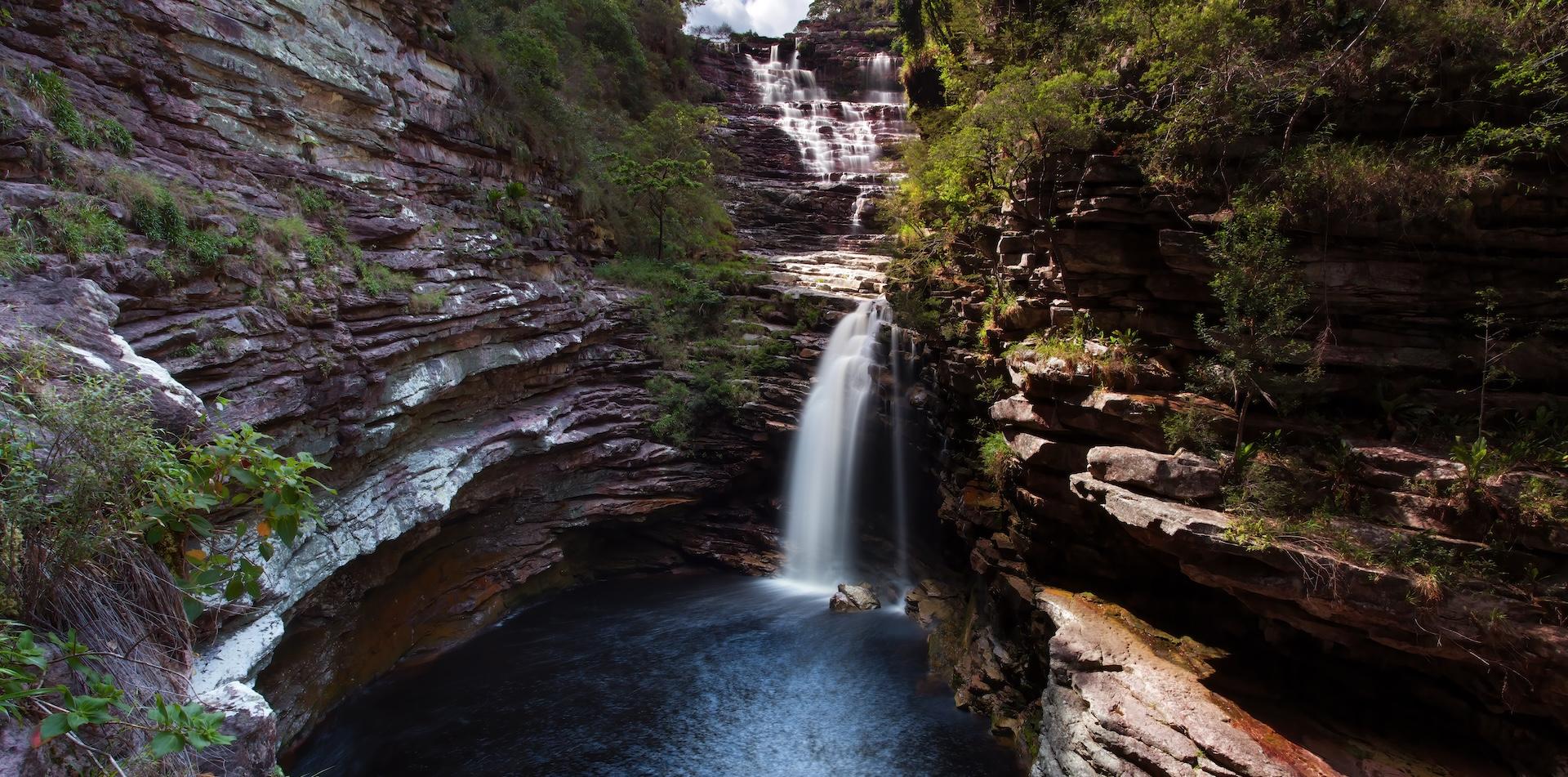
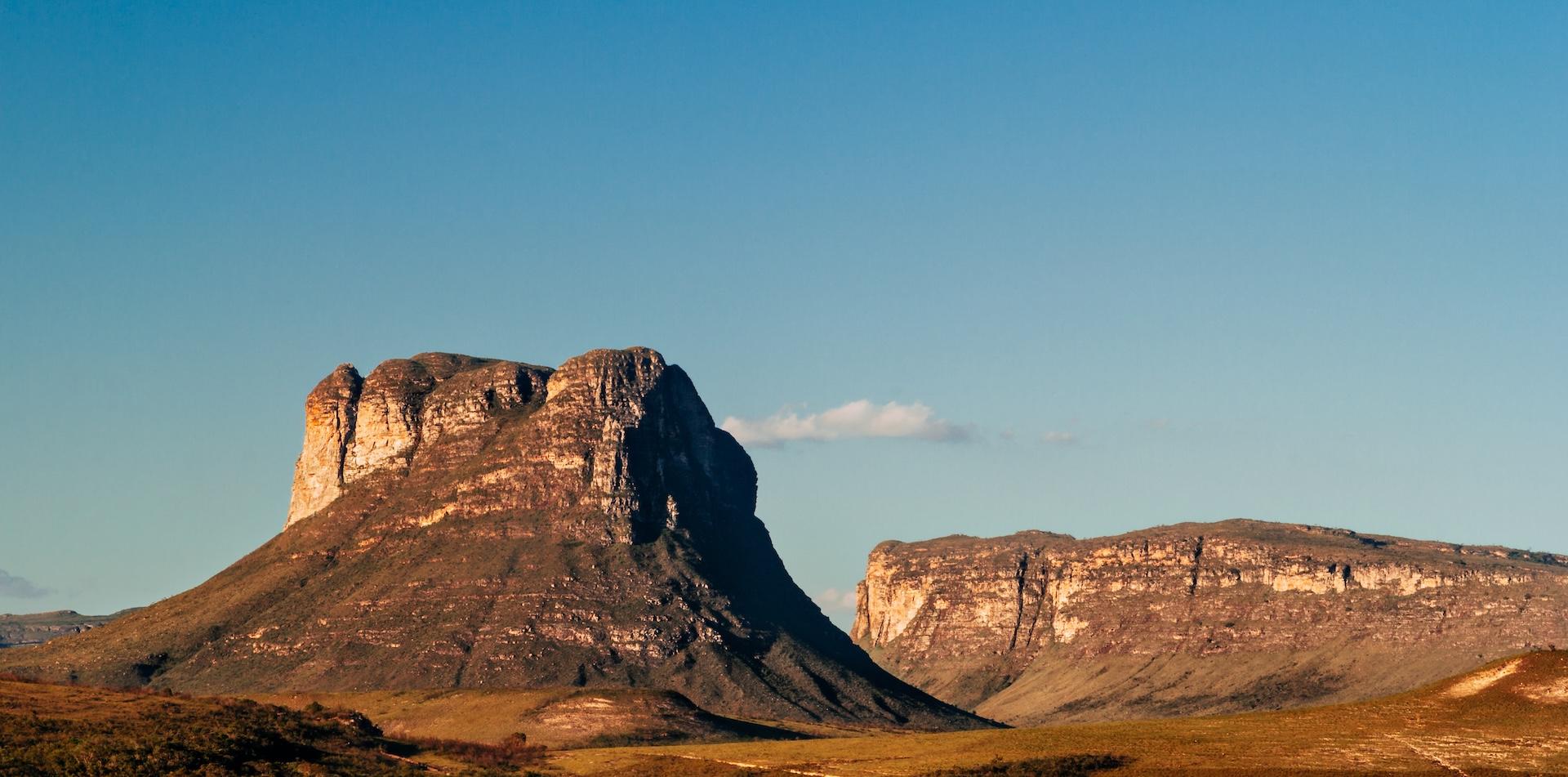
Spread across a maze of table top mountains, deep valleys and river-cut canyons, Chapada Diamantina forms a natural crossroads between Brazil’s coastal zones and its vast interior. Its elevated position brings cooler temperatures than the coast and creates the waterfalls, rivers and underground pools that make the area so distinctive. For visitors, this location offers the best of both worlds: a sense of being deep in Brazil’s wild backcountry, yet still connected to Salvador and other northeastern cities by established routes and visitor infrastructure.
.jpg)
.jpg)
.jpg)
WEATHER
RacingThePlanet Brazil 2027 takes place in August which is considered the end of winter in Brazil and an excellent time to visit, especially for outdoor activities.
Chapada Diamantina has its own microclimate due to the topography, vegetation and position. The climate is very different from Salvador which is on the coast.
You can expect pleasant, dry, and sunny weather, with lower humidity, cool nights, and very little rain. It is generally breezy, providing comfortable conditions for exploring the breathtaking landscapes on foot.
Expected Temperatures:
• Daytime temperatures: 30C / 85F
• Lows at night: 10C / 50F
Overall, August is one of the best months to visit the area for outdoor activities.
.jpg)
.jpg)
CULTURE
Chapada Diamentina
Chapada Diamantina’s culture and history are shaped by a mix of Indigenous roots, African heritage and the diamond boom that once put this remote region on the map.
In the 19th century, people from across Brazil and beyond flooded into the valleys around Lençóis, Mucugê and Andaraí to seek their fortunes in the diamond fields, leaving behind ornate townhouses, cobbled streets and colourful churches that still give these small towns a surprisingly grand, old world feel.
As the mines declined, many residents turned back to small scale farming and, more recently, tourism, but the memories of the “diamond days” live on in local stories, festivals and small museums. The population is largely Afro Brazilian, and you see that heritage in the music, food and spiritual traditions: lively forró and samba at weekend festas, homemade dishes like stews and cakes prepared from local ingredients, and syncretic religious practices that blend Catholicism with African and Indigenous beliefs. Today, Chapada Diamantina feels both laid back and deeply traditional, with a rhythm that slows to match the surrounding mountains—visitors are welcomed into a culture that values community, storytelling and a strong connection to the land.
Salvador
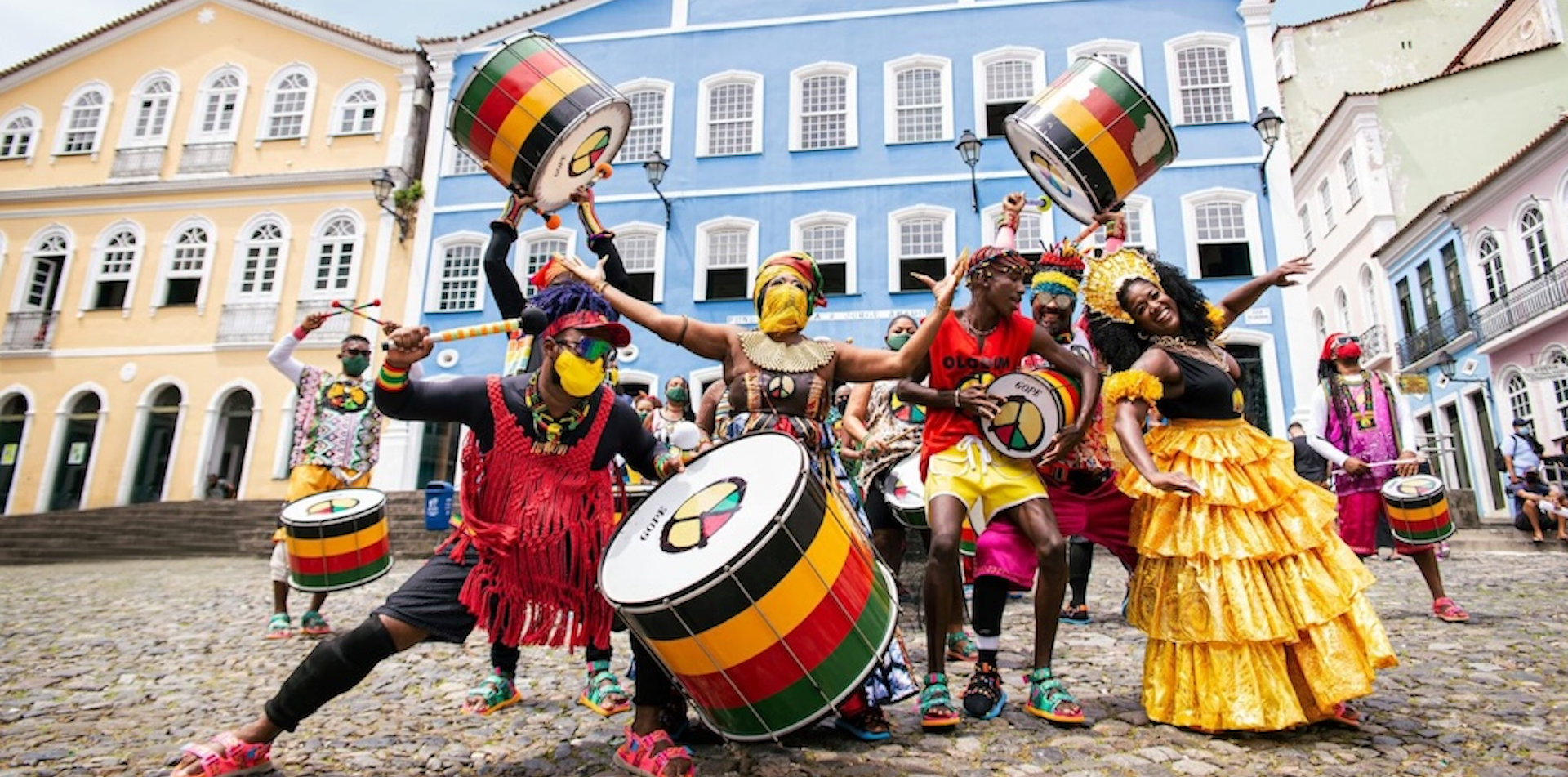
Salvador, the capital of Bahia, is where Brazil’s African, Indigenous and Portuguese roots meet in the most vibrant way.
Once a major slave port and Brazil’s first capital, Salvador carries a deep Afro‑Brazilian heritage that shapes everything from its music and festivals to its religion and food.
Candomblé ceremonies, capoeira circles, lively blocos and richly spiced Bahian dishes all speak to a culture that has resisted, adapted and thrived. For visitors, Salvador offers an intense, living culture: layered history, powerful stories and a warm, welcoming energy that feels unlike anywhere else in Brazil.
.jpg)
.jpg)
.jpg)