Newsletter
 Online Store
 Login
Login


RACE INFO

RACE INFO
The History of the Mongolian Ger
The Mongolian ger has sheltered nomads for over 2,500 years, evolving with their way of life.
In the vast steppes of Central Asia, where winds howl and seasons shift with ferocity, the Mongolian ger—a round, felt-covered dwelling—has stood resilient for millennia. First described by Herodotus around 600 BCE, these portable homes were crafted to suit the nomadic lifestyle of horse-riding tribes who roamed from the Black Sea to the heart of Mongolia.
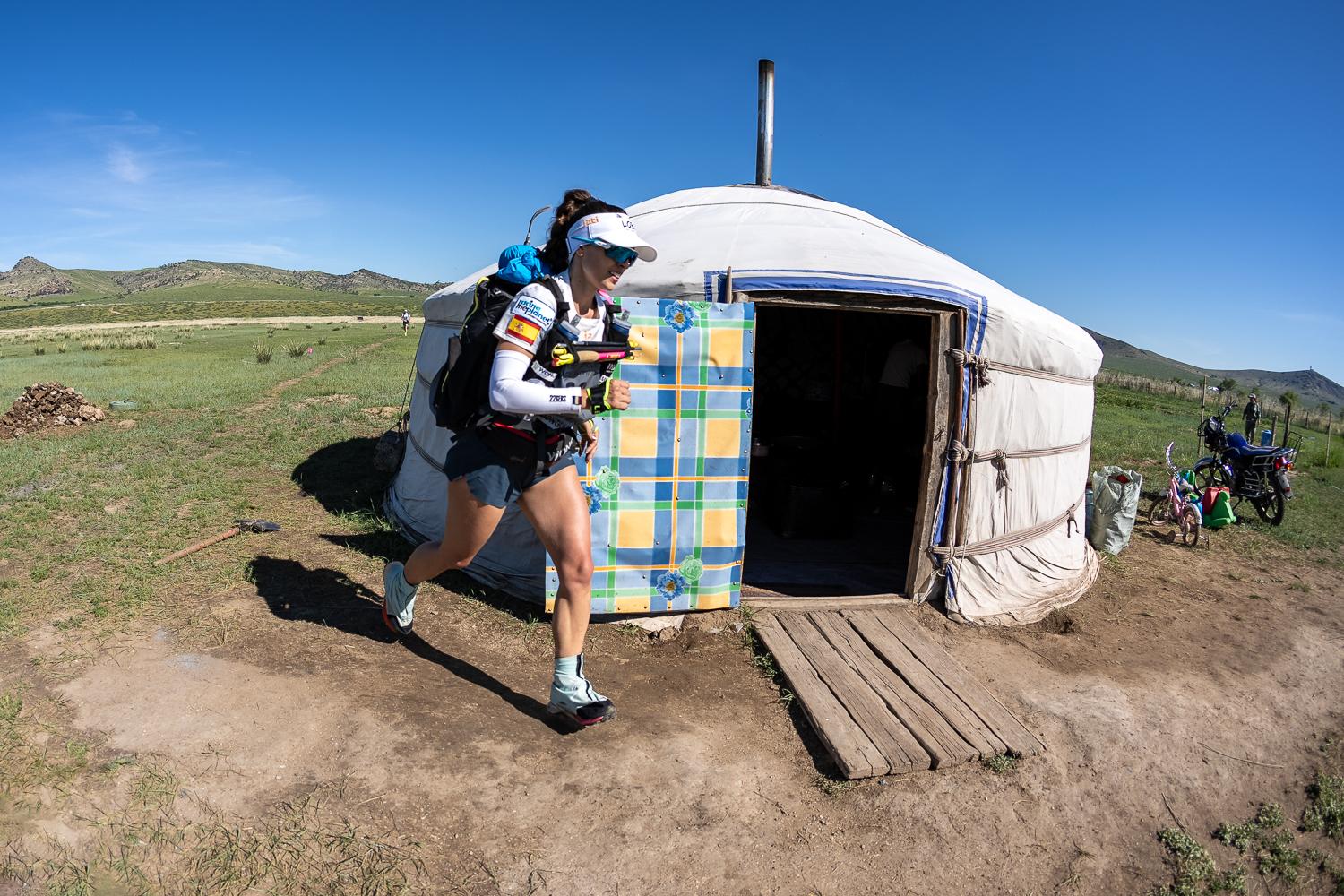
Originally, gers were heavy and wheeled, sometimes pulled by teams of yaks. But as mobility became essential, they were redesigned to be collapsible and light enough to carry on camels or horses. Their circular shape defies harsh winds, and the felt insulation—made from sheep’s wool—keeps the interior warm in winter and cool in summer.
More than shelter, the ger embodies Mongolian culture. Its central hearth symbolizes family unity, and its layout reflects deep-rooted customs: men’s tools to the west, women’s kitchenware to the east, and guests always seated respectfully to the north. The structure itself—wooden lattice walls, roof poles, and a crown-like toono—is assembled without nails, a testament to ingenious design and reverence for nature.
Even today, over half of Mongolia’s population lives in gers, including many in the capital, Ulaanbaatar. Though modern materials and urban adaptations exist, the ger remains a proud emblem of Mongolian identity—portable, practical, and poetic in its simplicity.
From ancient empires to contemporary life, the ger continues to tell the story of a people shaped by movement, resilience, and deep connection to the land.
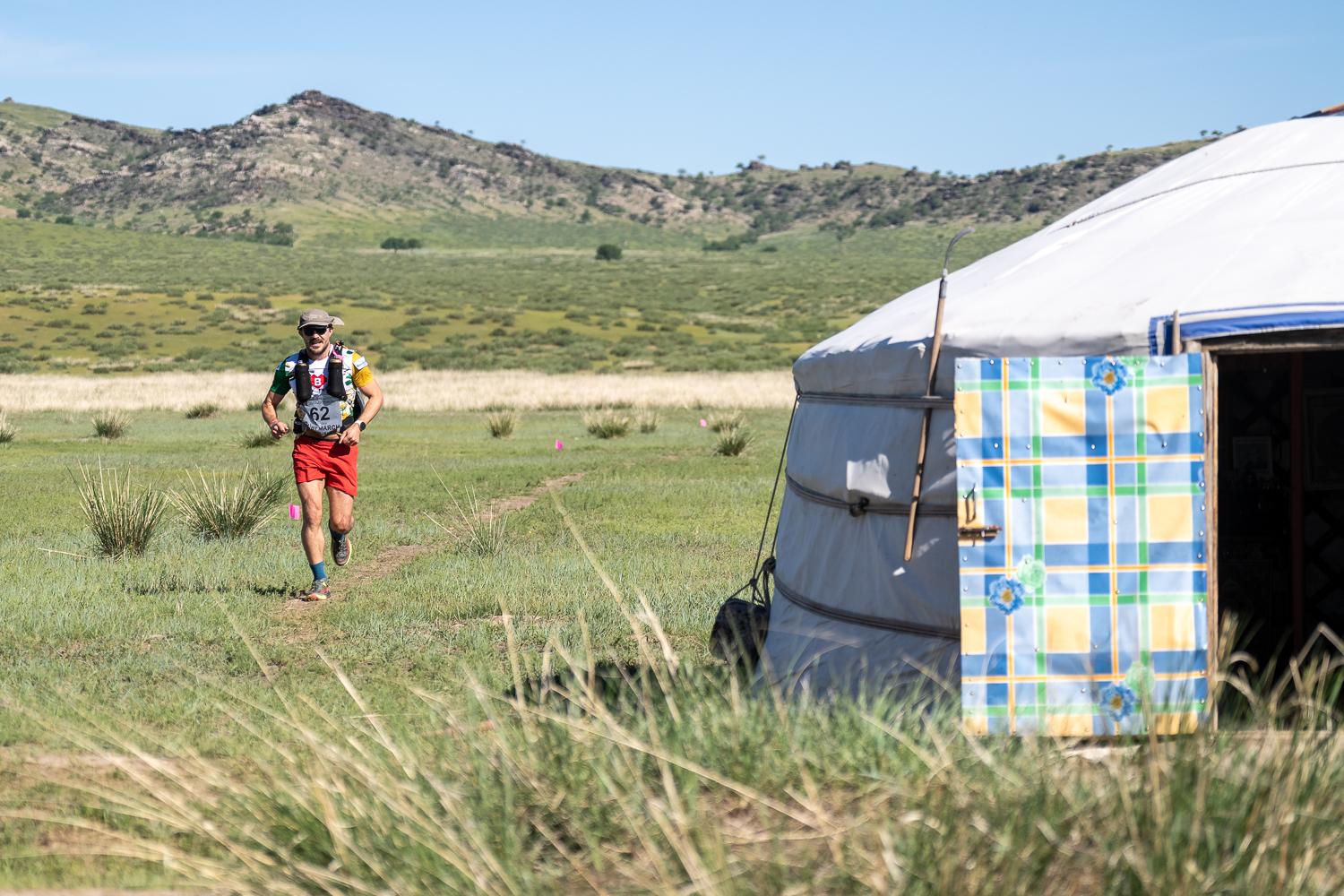
Competitors in the Gobi March and UltraLite (Mongolia) will have the opportunity to spend a night in a traditional ger and will encounter many nomadic families living in gers along the course.