



 Newsletter
 Online Store
 Login
Login


RACE INFO

RACE INFO
Salvador is the Starting Point
Salvador is the meeting place for RacingThePlanet:Brazil and UltraLite (Brazil) 2027.
Salvador is the coastal capital of Bahia in northeastern Brazil, where Brazil’s African, Indigenous and Portuguese roots meet in the most vibrant way. You’ll find Afro-Brazilian culture, colonial history and tropical seaside life all colliding in one intensely atmospheric place.
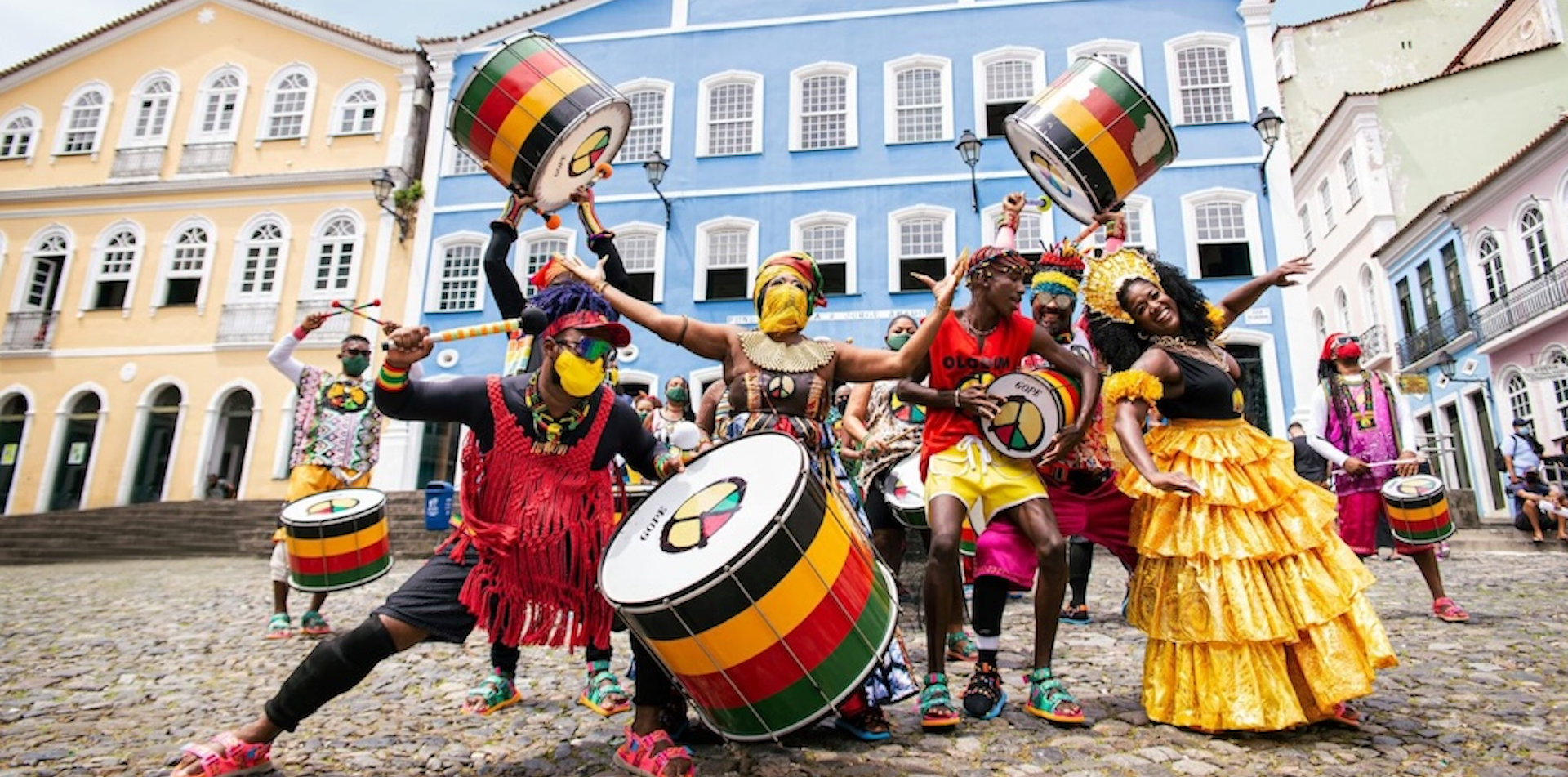
Perched on a sweeping bay surrounded by islands and calm water, its historic centre, the Pelourinho, is a maze of colourful colonial mansions, baroque churches and cobbled squares where drumming, dance and street life spill out most evenings.
Its well-connected airport, with some international and frequent domestic flights, as well as its proximity to Chapada Diamantina and its uniquely Brazilian culture make it the perfect place to meet before the race.

It has an electric feel from the moment you arrive. This is the great cultural and historical centre of Brazil, where Afro-Brazilian heritage is strongest and where capoeira, candomblé and samba de roda were created.
Once a major slave port and Brazil’s first capital, Salvador’s deep Afro‑Brazilian heritage shapes everything from its music and festivals to its religion and food. For visitors, Salvador offers an intense, living culture: layered history, powerful stories and a warm, welcoming energy that feels unlike anywhere else in Brazil.
Founded in 1549 as Brazil’s first capital, it still wears its past on its sleeve in Pelourinho, the UNESCO-listed historic centre of steep cobbled streets, baroque churches and brightly painted 17th and 18th century mansions. Here you can wander car-free squares, listen to live music, see capoeira circles and step into museums and galleries that tell the story of Salvador’s African heritage and colonial era.

Down the hill, the lower city opens onto the Bay of All Saints, where the art deco Elevador Lacerda links upper and lower town with sweeping harbour views and the Mercado Modelo buzzes with handicrafts, souvenirs and food stalls.
Just along the coast, urban beaches like Porto da Barra and Farol da Barra offer calm, warm water and spectacular sunsets behind the lighthouse, while neighbourhoods such as Barra and Rio Vermelho mix beachfront promenades, bars and restaurants with a more local, bohemian feel.

Food is a highlight: rich moquecas, acarajé fried in dendê oil and other Bahian dishes reflect the city’s deep African roots and are often experiences in themselves rather than just meals.
Salvador’s calendar is packed with festivals, including being home to one of Brazil’s biggest Carnival celebrations, when music trios, blocos and crowds spill through the streets for days. Even outside Carnival, nights in Pelourinho and Rio Vermelho feel lively, with live music, dance and street gatherings that justify the city’s reputation as Brazil’s “Capital of Joy.”
For a visitor, it’s a place to combine cultural immersion, colonial architecture, beach time and nightlife in a single city break, or to use as a colourful gateway to the wider Bahian coast and Chapada Diamantina on the interior.
Getting to Salvador
Salvador is well connected with the world with both international and frequent domestic flights.
| International Direct Flights | Frequent Domestic Flights |
|---|---|
|
|
There are more than 20 flights per day from Rio de Janeiro and Sao Paulo taking about 2 hours.
From Europe: There are direct flights to Salvador from Lisbon, Madrid and Paris.
- Lisbon in particular often offers some of the most frequent links into Salvador.
From North America: Travellers typically fly to a big Brazilian or South American hub first (for example São Paulo, Rio de Janeiro or Panama City), then take a connecting flight onward to Salvador.
From Asia: There are usually at least two legs: first to a European or Middle Eastern hub (such as Istanbul, Doha, Dubai, or Lisbon), and then onward to Brazil with a final connection into Salvador.