



 Newsletter
 Online Store
 Login
Login



RACE INFO

RACE INFO
Find Out More About Chapada Diamentina
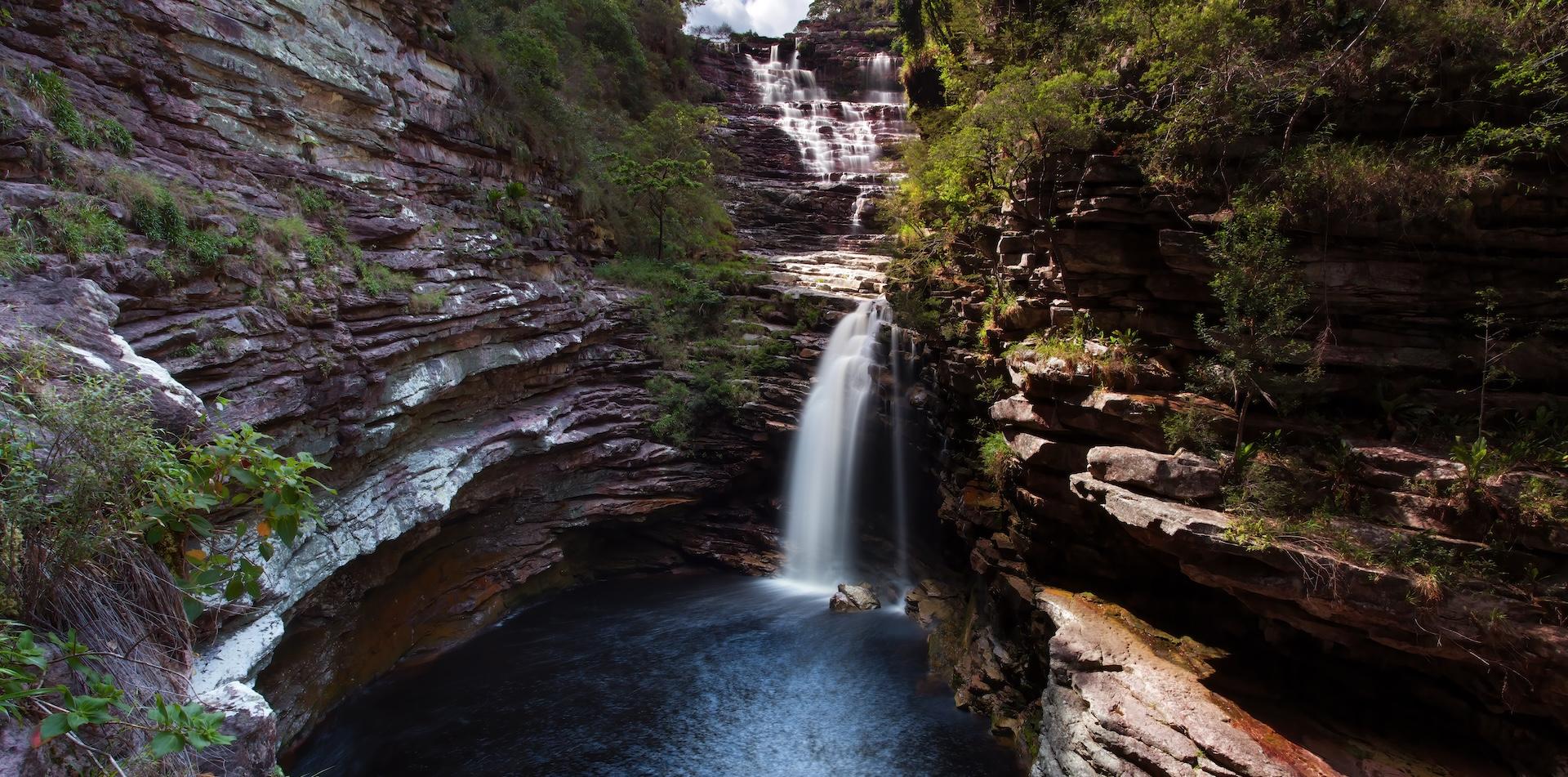
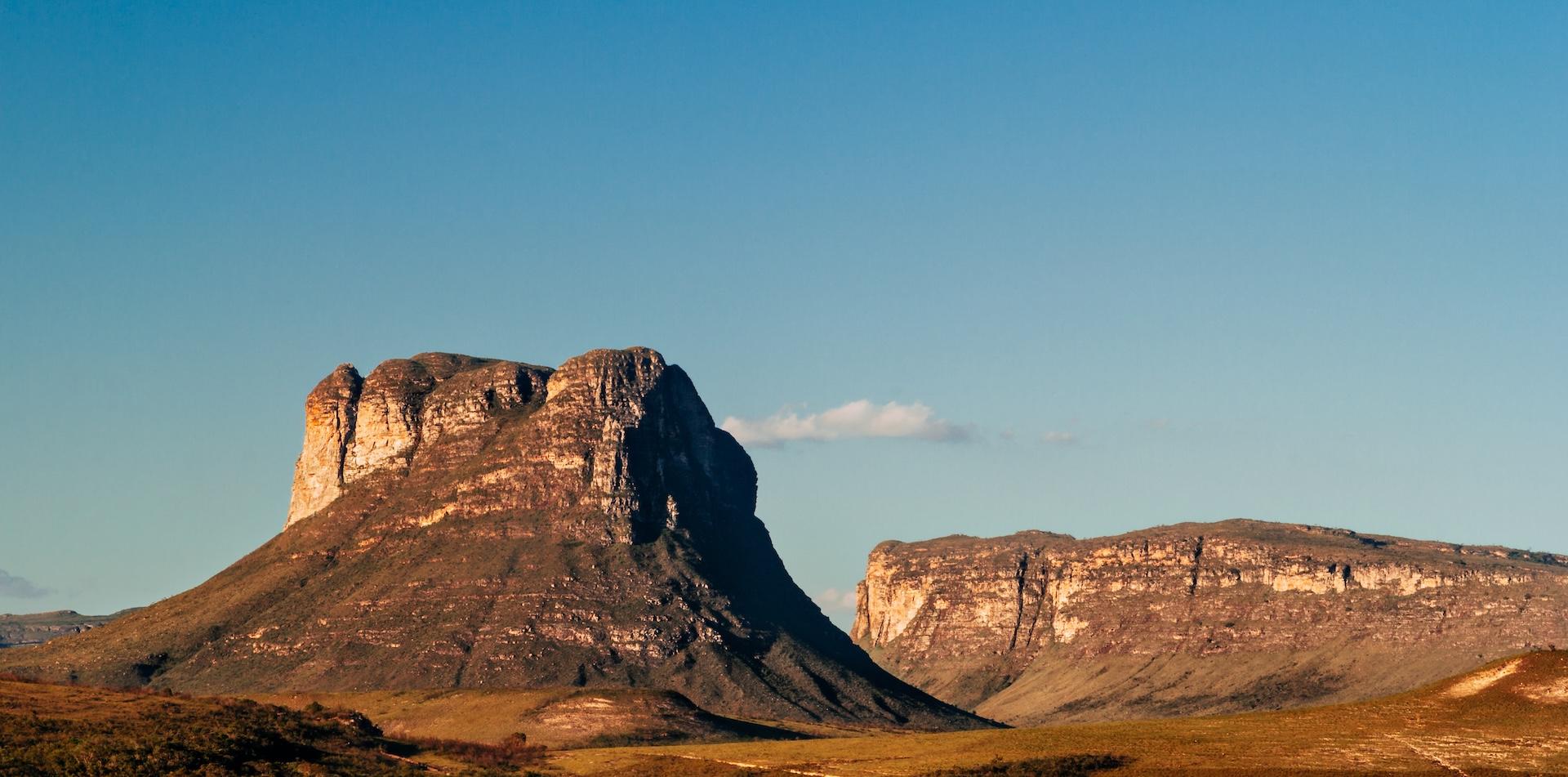
In the heart of Bahia State in north-east Brazil, the Chapada Diamantina National Park reveals a breathtaking landscape, with canyons, waterfalls and hidden caves. A paradise for nature lovers and adventurers with its rugged blend of towering sandstone mesas, plunging canyons, thundering waterfalls and crystalline blue pools hidden in ancient caves.
This is the location of RacingThePlanet: Brazil and UltraLite (Brazil) 2027.

History
While today, Chapada Diamantina is a hub for nature lovers, it’s history started as an Indigenous homeland before becoming a booming mining frontier. You can see the signs of simple communities and the diamond mining era throughout the area.
Indigenous and colonial beginnings
- The region was originally inhabited by Indigenous Brazilian peoples, with no permanent European settlements until the early 1700s.
- Colonial interest grew as the Portuguese Crown sought to control the Bahian back lands, promote cattle ranching around the plateau, and search for precious metals in the interior.
Gold discoveries and interior occupation
- In the early 18th century, gold was found in areas like Rio de Contas and Jacobina, turning Chapada Diamantina into a prospectors hub.
- Trails and overland routes, later integrated into the broader “Royal Road” system, linked these mining zones to coastal towns for export to Europe.
Diamond boom and boomtowns
- Although diamonds were known in Bahia in the 18th century, a decisive discovery came in 1844 near Mucugê, triggering a rush of garimpeiros and migrants from across Brazil.
- Towns such as Lençóis, Mucugê and Andaraí flourished, with Lençóis becoming one of Bahia’s most important cities as diamond production made the province a major global supplier in the 19th century.
Decline of mining and local exodus
- From the late 1800s, Brazilian diamond output declined, especially after richer deposits were exploited in South Africa, causing prices to fall and Chapada’s mining economy to contract.
- By the early 20th century, many mining towns slid into decay and residents migrated to other Brazilian states and new work fronts, including emerging diamond areas elsewhere.
Protected landscape
- Mechanised mining never fully replaced traditional garimpo, and, as deposits waned, the region’s dramatic mesas, canyons and waterfalls became its new economic asset through nature tourism.
- The creation of Chapada Diamantina National Park in the late 20th century formalised the shift from mineral extraction to conservation, turning former mining trails into hiking routes and positioning the Chapada as a key ecotourism destination in Brazil.
Landscapes and Wonders
This natural sanctuary now offers a variety of outdoor activities, such as hiking, mountain biking, river bathing, climbing, swimming and canoeing amidst the exuberant nature. With almost 300 km of trails, the park is adorned by 33 waterfalls, including the impressive Fumaça waterfall, around 390 meters high, caves and many historical sites. It also includes Marimbus, a flooded area known as the Pantanal da Chapada Diamantina.
The trails in Chapada Diamantina are invitations to a unique journey through stunning landscapes. They reveal the diversity of local ecosystems, from rocky fields to the lush Atlantic Forest. Each trail is an exciting opportunity to discover the stunning secrets of this spectacular region where these splendours once hid diamond veins and now sustain a nature.
The Chapada Diamantina National Park covers an extensive area of 152,000 hectares, protecting a portion of the majestic Serra do Sincorá, which makes up the northern part of the Serra do Espinhaço, a mountain range that stretches from Minas Gerais to Bahia. This region is a true ecological treasure, incorporating three Brazilian biomes: Atlantic Forest, Cerrado and Caatinga, consolidating itself as part of the Caatinga and Atlantic Forest Biosphere Reserves.
Sandstone plateaus rise sharply above lush valleys and caatinga scrub, with highlights like Morro do Pai Inácio offering panoramic sunsets over endless horizons. Waterfalls such as Cachoeira da Fumaça (340m high) mist into rainbows, while caves like Poço Encantado and Poço Azul glow sapphire when sunlight pierces their waters. Rivers carve remote gorges, feeding swims and trails through biodiversity hotspots. It is a popular place for multi-day hikes like Vale do Pati—one of Brazil's best.

The best time to visit is from May to September when dry trails reveal starry skies and firm paths.
Historical Rock Art
Chapada Diamantina contains numerous rock art sites, many of them tucked into rock shelters and cave entrances across the plateau. These paintings are generally attributed to very ancient Indigenous groups and often show human figures, animals and abstract symbols arranged in panels on the rock. In some caves, the art is thought to be several thousand years old, with a few researchers suggesting even greater antiquity based on style and patina. Colours tend to be earthy reds, yellows and whites made from mineral pigments, and the images cluster near water sources, shelter overhangs and lookout points, hinting at ritual or storytelling uses rather than casual markings. Visits today are usually accompanied by local guides, both to interpret the meanings that archaeologists have proposed and to help protect these fragile traces of the region’s first inhabitants.

Villages and Culture
Tucked between the high plateaus and deep valleys, Chapada Diamantina’s small villages and scattered communities feel a world away from reality. Here, dirt tracks replace paved streets, and life is simple. Many families still farm small plots or keep a few animals. In these places, the landscape is not just scenery for exploring but part of everyday life, with villagers crossing rivers and climbing paths that, for them, are simply the way to reach a neighbour or a field.
There are some bigger towns around Chapada Diamantina, but these are also laid-back, welcoming places where former mining streets now hum with small pousadas and cafés.
Colonial centres like Lençóis, Rio de Contas and Mucugê mix cobbled lanes, colourful townhouses and old churches with a low-key buzz, while smaller communities such as Vale do Capão and Igatu feel more bohemian and rural. The rhythm of life still follows Bahian small-town patterns.

Accessible from Salvador, Chapada Diamantina fuses raw wilderness, geology and Bahian soul into Brazil's ultimate highland escape