



 Newsletter
 Online Store
 Login
Login


RACE INFO

RACE INFO
Antarctica: From the Age of Exploration to the Age of Racing
A Short Story About Antarctica
For centuries, and long before anyone saw it, Antarctica existed as in the imagination only as philosophers and cartographers speculated about the existence of a vast southern land that they called “Terra Australis Incognita”. In the 1770s, British explorer James Cook sailed further south than ever before to discover the hidden land, but he never set a foot on it. Though the land hadn’t been discovered, Cook’s exploration laid the foundation for future exploration.
The First Sighting (1820)
In 1819, a British sailor named William Smith discovered some islands near Antarctica: King George Island and the South Shetland Island. That discovery opened the path for others and the next year, Russian, British and Americans explorers became the very first to actually spot land, almost simultaneously.
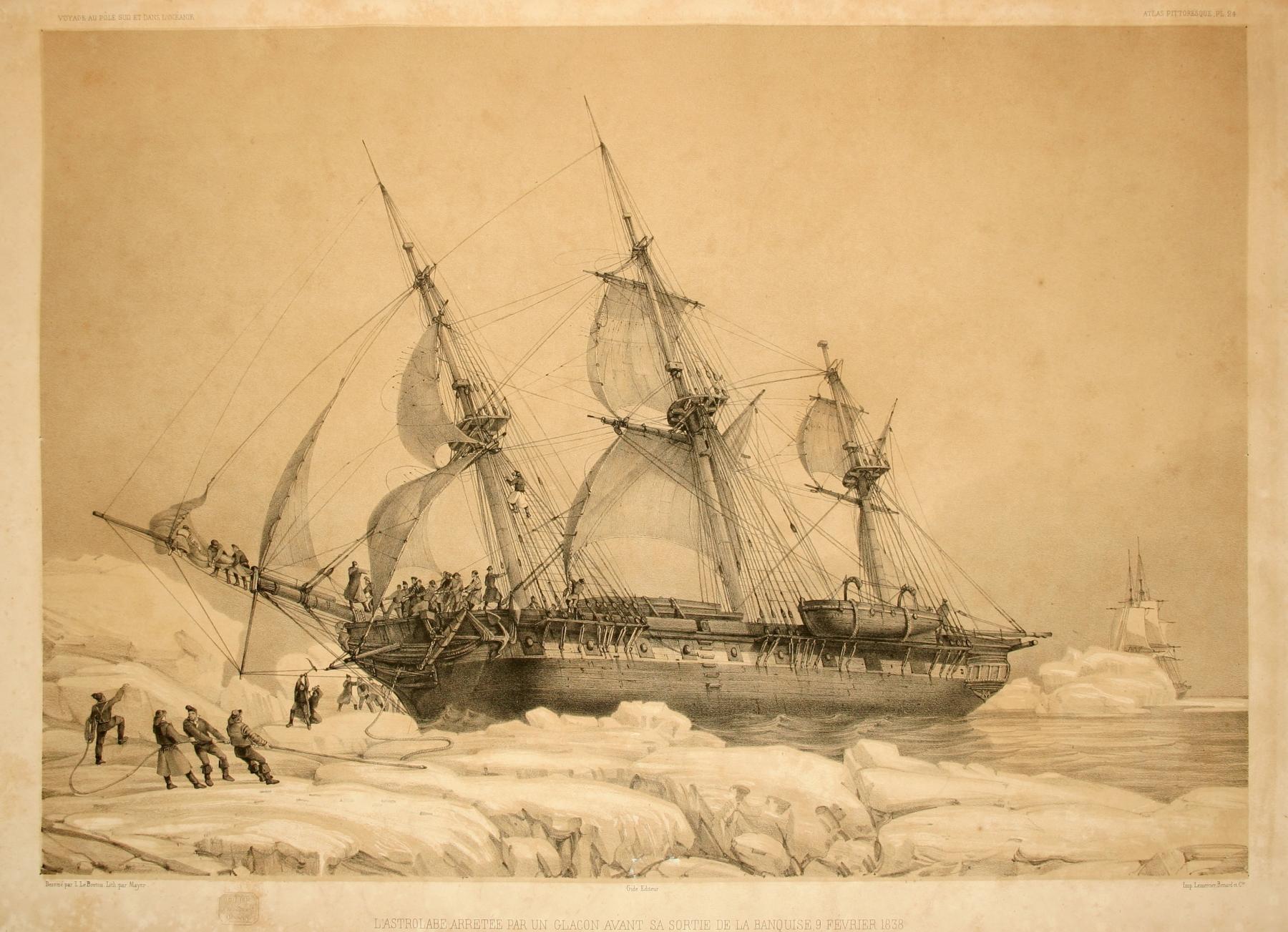
The Age of Great Explorers (late 19th – 20th Centuries)
This was a dangerous but fascinating time in Antarctic history, as explorers from many countries raced to discover new places and, above all, be the first to reach the South Pole. Antarctica Becomes a Place for Sciences (1920s – Today) Following the “Heroic Age”, a time characterised by famous explorers like Shackleton, Scott, and Amundsen testing human endurance, a new era began that focused on scientific studies and research. This led to the Antarctic Treaty being signed in 1958 by 12 nations, making Antarctica a place for science only, and free of military activity. Today, researchers from all over the world study Antarctica, and over 50 countries have signed up to the treaty.

The Time of Races!
For most of human history, Antarctica was a myth or a place of danger and death. Over a century ago, Ernest Shackleton with his ship Endurance was crushed by the Antarctic ice, leaving his entire crew completely stranded. Shackleton’s story remains one of the greatest survival stories in human history and today inspires runners to follow in his footsteps and race on these same lands.
One of those competitors, Paul Redbourn, tells us about Antarctic experience at The Last Desert 2024.
Paul is a runner from England who trained hard to prepare for this race, wearing waterproof socks and glacier goggles in a London suburb to reproduce, or at least try to, the extreme conditions of Antarctica.
His journey starts before his first step on the white desert, flying to Ushuaia, Argentina, before crossing the Drake Passage over two days of rough seas, before finally seeing land and stepping foot on Antarctica ready to start the race.
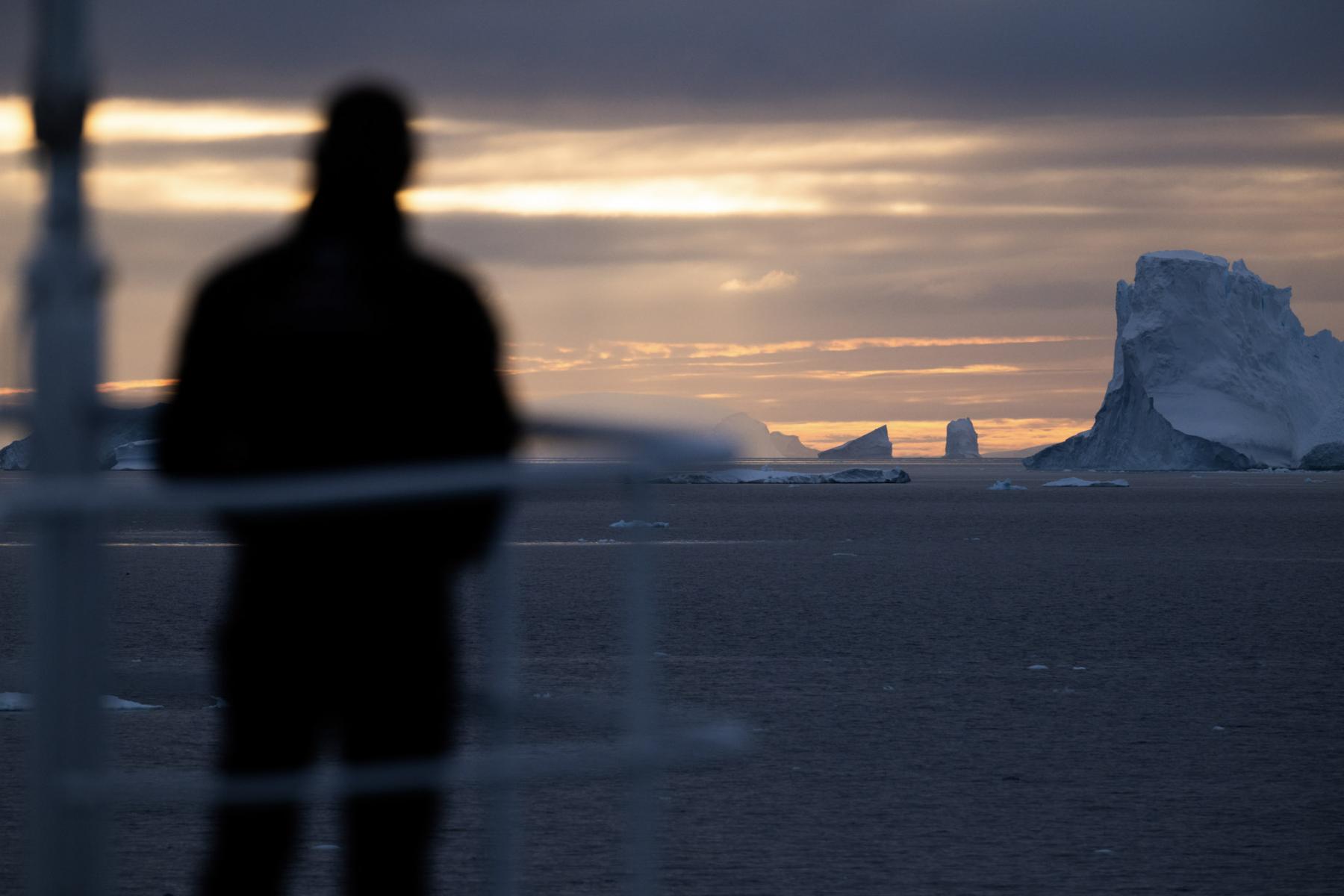
The race itself was unlike anything else, with each Stage taking place in a different location in Antarctica. The terrain varied from deep snow to steep hills, and the race highlighted by incredible wildlife encounters including whales, seals, and penguins, to name a few.
 Paul finished the race in second place overall, covering 39 km in 6 hours on his stronger day, though his knee hurt, and his body was tired. He also did something few people will in their lifetime: he posted a letter from the southern-most post office in the world at Port Lockroy.
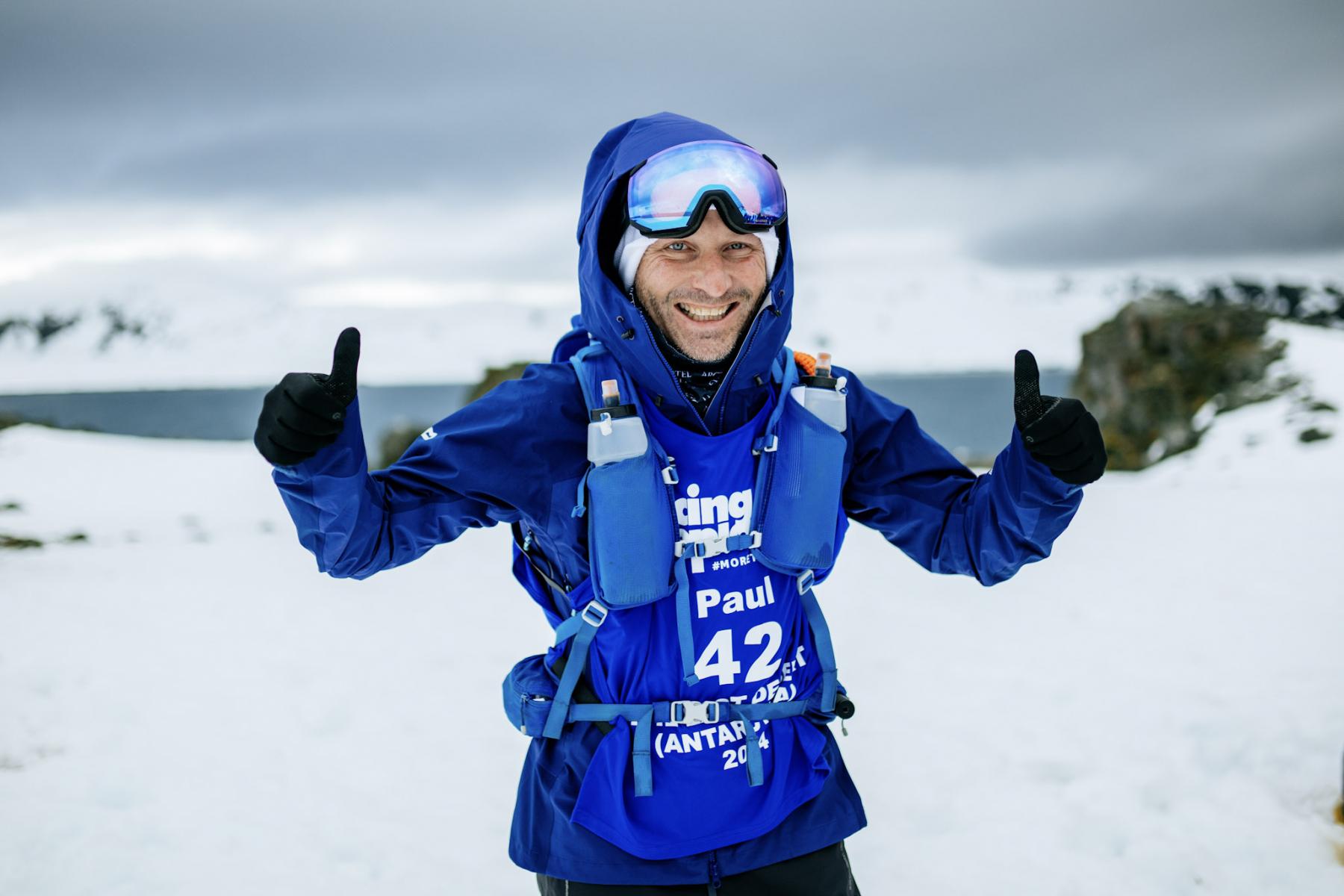
A month after his return from Antarctica, he was still searching for the right words to describe one of the most incredible race experiences of his life.
Read Paul’s full blog covering each Stage of The Last Desert 2024.