



 Newsletter
 Online Store
 Login
Login


RACE INFO

RACE INFO
Namib Race Blogs 2026
13
PostsNamib Race (2026) blog posts from Angela Alchin
28 August 2026 09:34 am (GMT) Greenwich Mean Time: Dublin, Edinburgh, Lisbon, London
It turns out training actually works. Who knew?
A few months ago, I wrote that my goal for the Namib Race wasn’t simply to finish. I’d done that before. I wanted to be stronger, enjoy the experience more and, ideally, arrive at camp each afternoon with enough life left in me to enjoy the people around me.
Well, I finished.
Was I stronger? Definitely.
Did I enjoy it more? Mostly.
Did I arrive at camp each day full of energy and ready to socialise? Absolutely not.
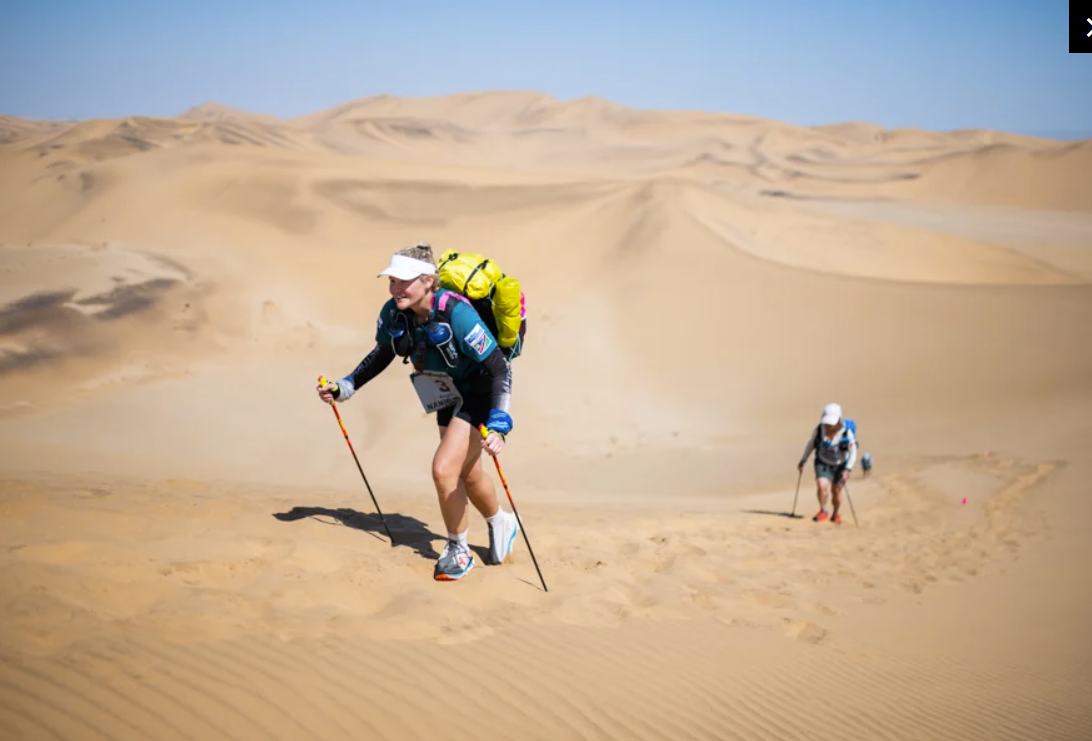
The Namib Race was brutal. The heat, the sand, the dunes, the long stretches - it was rough! But compared to my previous races, I could feel the difference training had made. I recovered better between stages, my legs kept going, and somehow my body became stronger as the week progressed. That doesn’t mean I trained perfectly. Far from it. I missed most of my final peak training after getting sick, never did the big back-to-back sessions I had planned, and received my brand-new backpack about ten minutes before getting on the bus to Camp 1.
Now that I’ve had a little time to think about the week, there are quite a few things I’d do differently - and a few things that worked surprisingly well.
Keep your backpack and shoes on
I used to have a habit of taking my shoes and backpack off at checkpoints. This time I didn't. Unless there’s a blister or hotspot that actually needs attention, refill your water, take a quick seat if you need to, grab what you need and get moving. Sitting down makes it remarkably easy to stay sitting down.
The exception for me was the 50km checkpoint during the Long March. I deliberately spent about 30-40 minutes there, put my feet up, ate mashed potatoes, changed into my night gear and mentally treated the remaining 27km as a second race.
That worked.
Pretaping is your friend
I tape every single toe, every single morning. It might sound excessive, but my feet held up remarkably well. I use paper-tape for my toes, and sometimes KT tape for my big toe, ball of my foot, and heels. Where I got lazy was my heels. They were doing perfectly before the Long March, so I decided they didn’t need tape. Around kilometre 60, a blister started forming. I could manage it, but it was completely avoidable.
If you know somewhere is prone to rubbing, don’t wait until it hurts.
Also learn how to do a runner’s heel lock with your shoelaces. It helps stop your heel moving around inside your shoe. This is the first time I did it, and it made a noticeable difference.
And ladies: skip the gel polish on your toenails before the race. By all means, get the pedicure, but aim for smooth feet ,not pretty toenails. You want your feet and your nails soft. Calluses might make us think our feet are tough, but blisters can form underneath them too.
Train with warm water
Cold water in the desert is possibly one of life’s greatest luxuries. Unfortunately, you won’t have it. If you’re training for a hot race, don’t become dependent on ice-cold drinks. By the time your electrolyte drink has been sitting in a bottle in 40-degree heat for a few hours, it becomes significantly less appealing.
I eventually preferred plain water and salt tablets, with roughly one electrolyte drink a day. Toward the end I became so sick of warm water that I’d sometimes rinse my mouth with it and spit it out because I couldn’t face swallowing another mouthful. That warm Coke I received on course arrived at exactly the right moment, somehow I could still get that down! Find what works for you before race week.
Test your bottles too
I used Atacama 750ml soft flasks and generally really liked them. At one stage I struggled to suck water through one of them, but ( continuing the theme of this race) I’d received them the day before, so hadn’t exactly tested them properly either.I’ve never raced with hard bottles, but that’s something I’ll experiment with during my next training block.
Bring food you’ll still want on Day 5
You can create the most beautiful nutrition spreadsheet in the world. By Day 5, there’s a good chance you’ll hate half of it. I learn something new on every race - this time I tried mashed potatoes with a Bouillon cube - Loooved it! Especially at checkpoint 5 during the Long March. I loved having a Snickers for breakfast on Stage 1. I wished I’d packed more fruity Mentos, and I would absolutely bring hot chocolate next time.
I also deliberately saved a few luxuries for the Long March (Stroopwafels, M&Ms and gummy bears). Having something you actually look forward to eating makes a difference.
Next time I’ll also bring more variety for breakfast. Too much oatmeal hasn’t worked for me in previous races, so I switched to noodles and mashed potatoes, which were great. But I’d add at least two sweeter breakfasts, such as rice pudding or berry oats, to break things up.
Night One can have a few luxuries
Remember that you don't need to carry your night one dinner or your stage 1 breakfast. I took a couple of small comforts specifically for the first night, including hand-warming sachets and some extra chocolate for breakfast. I brought a coke to add to dinner as well.
Pack. Repack. Then pack again.
Considering I received my backpack minutes before leaving for camp, I had a pretty good idea of where everything needed to go. Knowing where your things are saves an enormous amount of unnecessary searching.
Every evening, I’d prepare my side pockets with the snacks and electrolytes I wanted for the following stage. I didn’t divide all my food into individual daily bags. Instead, I had my freeze-dried meals together, breakfasts together and snacks together. I like variety and wanted to decide each day what I actually felt like eating.
I’d also put a few tissues straight into one of the required blue toilet bags so that if I needed it during the stage, everything was ready.
For the Long March, think ahead. Know exactly where your headtorch is. Attach your red flashing light to your backpack beforehand. Have your jacket somewhere you can reach quickly when the temperature drops.
Don't completely pack your backpack the night before. Inevitably you’ll remember something the following morning and end up digging through it again. My bag was unpacked every night, but everything stayed organised inside large Ziplock bags on a pile in the tent. Remember: you’re sharing a tent. Try not to spread your entire life across everybody else’s sleeping space.
Your pack is probably too heavy
Mine started at around 9.5kg without water (my heaviest race pack so far. I usually come in closer to 8kg.)That was mostly a result of poor preparation before this race.Do everything you reasonably can to reduce the weight. Yes, cut the toothbrush in half. Leave the hairbrush. Reconsider the pillow. Look at every item and ask whether you really need to carry it for 250km. A few hundred grams doesn’t sound like much while you’re standing in your bedroom.
It does after 40km.
The toilets ...ah the toilets
The toilet situation is always a topic on these races, and yes, they can become pretty gross. My solution was ridiculous but effective: On every race I would take Transact patches that I would stick on sore muscles after a stage. They smell super minty and I would stick them under my nose, and cover my mouth and nose with a buff before heading to the bathroom. My gag reflex is terrible, so desperate times called for desperate measures. Some people didn't mind at all. Just know that bathrooms are usually going to smell like bathrooms being used by a camp full of ultrarunners who have eaten gels for a week. You’ve been warned.
Sleep deprivation is real
Don’t assume exhaustion means you’ll sleep beautifully. You will probably sleep far fewer hours than you expect.There will be snoring. People moving around on inflatable mattresses. Zips opening. Someone needing the bathroom at a ridiculous hour. Your own aching body refusing to find a comfortable position. Bring earplugs.
Before bed, I gave my feet a good rub and tried to elevate them on my backpack while sleeping to help with swelling. I also kept my headtorch, hand sanitiser and tissues right beside me. If you need a 1am bathroom trip, you don’t want to be scrambling around in the dark and waking your tent mates.
Oh yes, also keep your lip balm close by (I often woke up with super dry lips and needed to put some on before attemping further sleep).
Have dry clothes waiting after the Long March
Put your Long March evening clothes or sleeping clothes inside your dry bag. Have something genuinely warm and dry waiting for you when you reach camp. We froze after the Long March because our clothes were damp ( from the night mist and partly from spending the day throwing water over our heads and backs.) Being exhausted and shivering in wet clothes is not the recovery strategy I’d recommend.
Sun protection is still something I need to solve
For someone born in Namibia, I’m remarkably bad at dealing with the sun. I always race in an open-top cap because closed caps feel too hot for me. I usually tuck my Buff into whichever side of the cap the sun is hitting to create some extra shade. It works... sort of. Next race, I want proper removable flaps that protect the sides of my face and ideally attach beneath the chin. I’m a heavy sweater, so even though I reapply sunscreen at checkpoints, keeping it on my skin is a challenge.
I also get terrible heat rash. It started at my feet during Namib and eventually worked its way up my legs. I still haven’t solved that problem properly. Maybe long pants are worth testing next time. Note sure.
And chafing cream is your friend. Apply it generously wherever you know you’re prone to friction ( including your bum and, for women -between teh boobies).
I brought a bug net, and didn't regret it
This one surprised me. I packed a bug net and actually used it briefly during the Long March. As the sun went down and my headtorch came on, insects started flying straight toward the light (and into my eyes.) The net solved it immediately. I didn’t need it for very long during Namib, but I would have loved one during parts of the Gobi March. It weighs almost nothing, so it’s staying on my list.
Camp life is surprisingly busy
You finish running and think you’re going to collapse into your tent. Unfortunately, there are things to do. Having a little routine helped me: arrive, feet up, eat something, rest, then eat dinner, then read cybertent messages, then write blog, then sort bag, then brush teeth and final bathroom break before bed. I even turned standing in the bathroom queue into stretching time ( I should spend more time stretching after a stage).
The tiny comforts become enormous
Five centimetres of water in a bucket becomes a foot spa. An orange becomes a feast. Warm Coke can resurrect you.
That’s one of my favourite things about these races. Everything gets stripped back. The things that normally feel insignificant suddenly become incredibly valuable. One of my comforts is flossing, when I floss I feel fresh, so bring that tiny thing that gives you a little comfort in the desert.
Do at least one proper race-condition training session
If you can, have at least one training day where you’re on similar terrain with your loaded pack for around six hours. It’s not necessarily about proving that you can cover a certain distance. It’s about finding problems. Where does your pack rub after five hours? Where do hotspots develop? Which toes blister? Does your sunscreen survive? Can you still stomach your food? Is something bouncing around and driving you insane? Even getting a blister during training isn’t necessarily a bad thing. It gives you the opportunity to learn how to treat it before race week.
There’s a fair amount of luck involved too
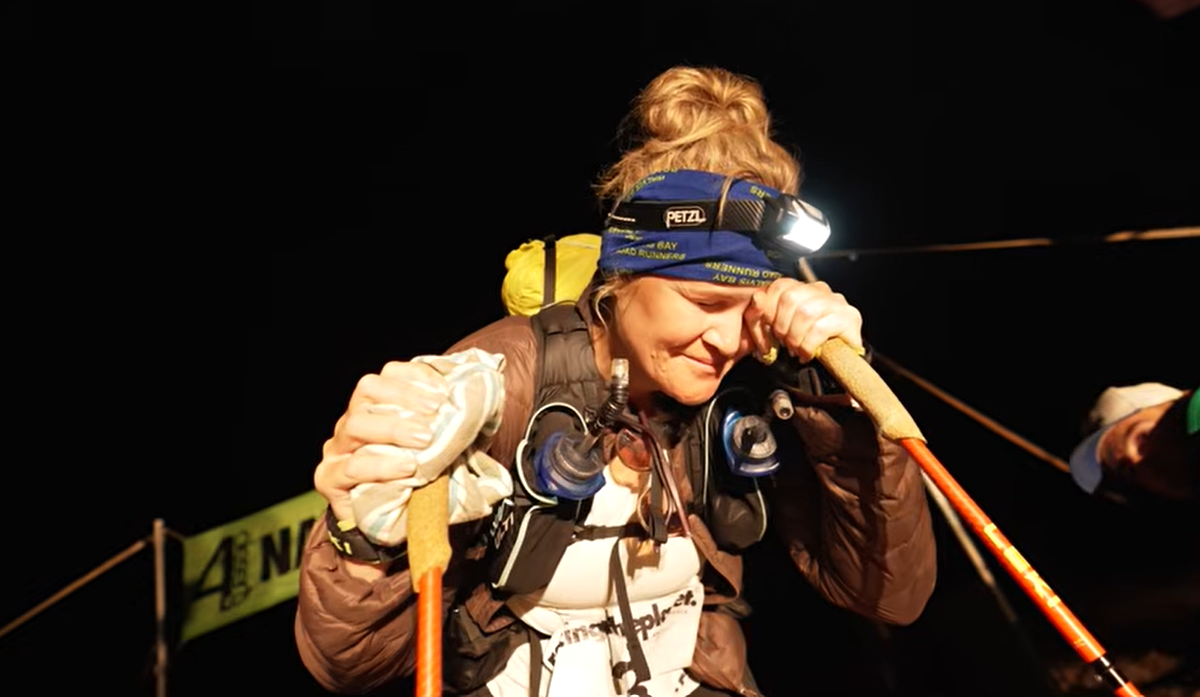
You can prepare for months, follow the perfect training plan and test every piece of gear - and still get sick on the flight over or sprain an ankle getting off the bus. Arriving at the start line healthy is an achievement in itself. I learnt that lesson rather well before Namib after food poisoning and a viral infection wiped out much of my final peak training.
Prepare for everything you can, but accept that there will always be things completely outside your control.
Your backpack might tear. A shoelace might break.There might be ticks on the route. A jackal might steal your shoe and give it a little chew. You can’t write a training plan for every ridiculous thing that can happen over a week in the desert.
What you can practise is not letting every little problem become a crisis. Fix what you can, laugh about what you can’t and treat the unexpected as part of the adventure.
One final, completely non-race-related tip
Bring a few small gifts from your home country.
Over the course of the week, there will probably be one or two people who make a real difference to your race. It might be a doctor who fixes your feet, the photographes who make you smile (thanks Thiago and Andre) a volunteer who looks after you at your lowest point, or a tent mate who somehow keeps you laughing when everything hurts.
At some point, you’ll probably wish you had something small to give them to say thank you. Having a little gift to give them at the banquet dinner is always special :) .
Running in my home country
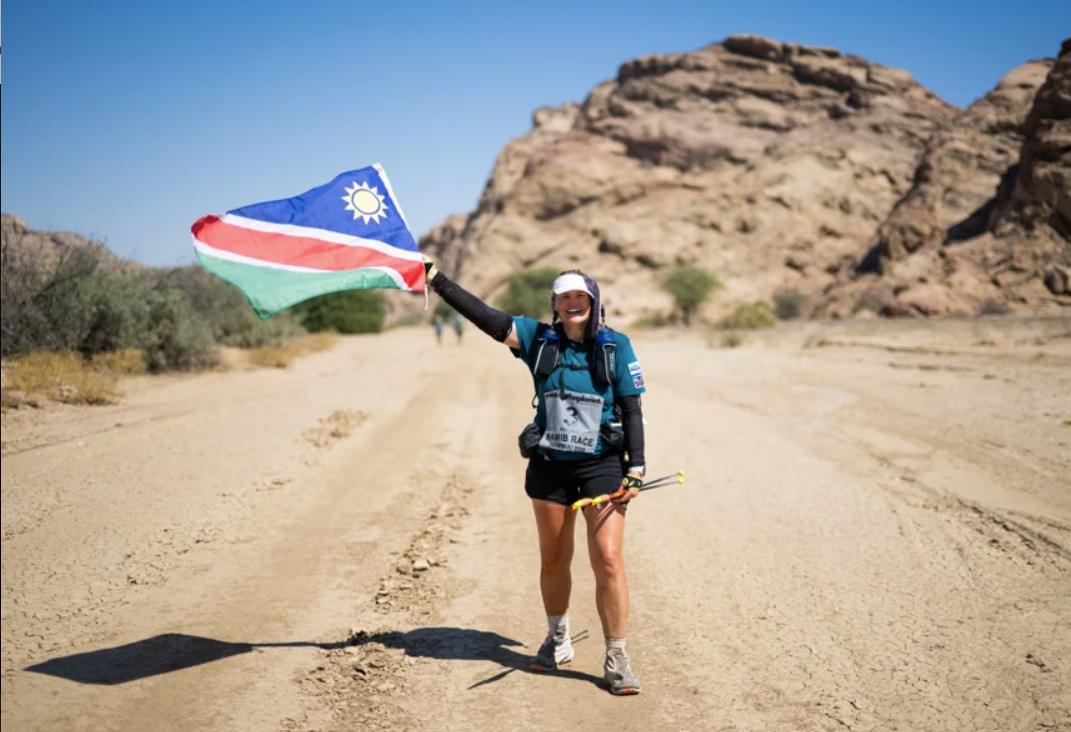
Finally, I would like to permanently retire the idea that being Namibian means I enjoy running through sand. I don’t. The Namib Desert humbled me just as much as anyone else.
But it also gave me an opportunity to see my own country through everybody else’s eyes. Watching competitors stop and stare at landscapes I’ve seen countless times reminded me how extraordinary this place actually is. There were sections of Namibia I’d never experienced myself (even though I volunteered for this race twice) and running through them made me appreciate home differently.
Looking back...
I finished in around 51 hours, 67th overall and 14th woman. I’m proud of that - particularly after arriving at the start line feeling horribly underprepared.
But what I'll remember :
The people. The volunteers. The drums. The conversations in the tents. Talking nicely to my feet. Singing Country Road approximately 50 times. Dreaming about milkshakes. Being handed cold water when I desperately needed it. And watching a desert I know so well completely destroy me while simultaneously reminding me how lucky I am to call it home.
Before this race, I wrote that I wanted to stop constantly chasing the finish line and enjoy the journey a little more.
I’m still very much a finish-line person. But I think I’m getting better.
Next stop: Atacama (I think) - ask me later.
Ange over and out. 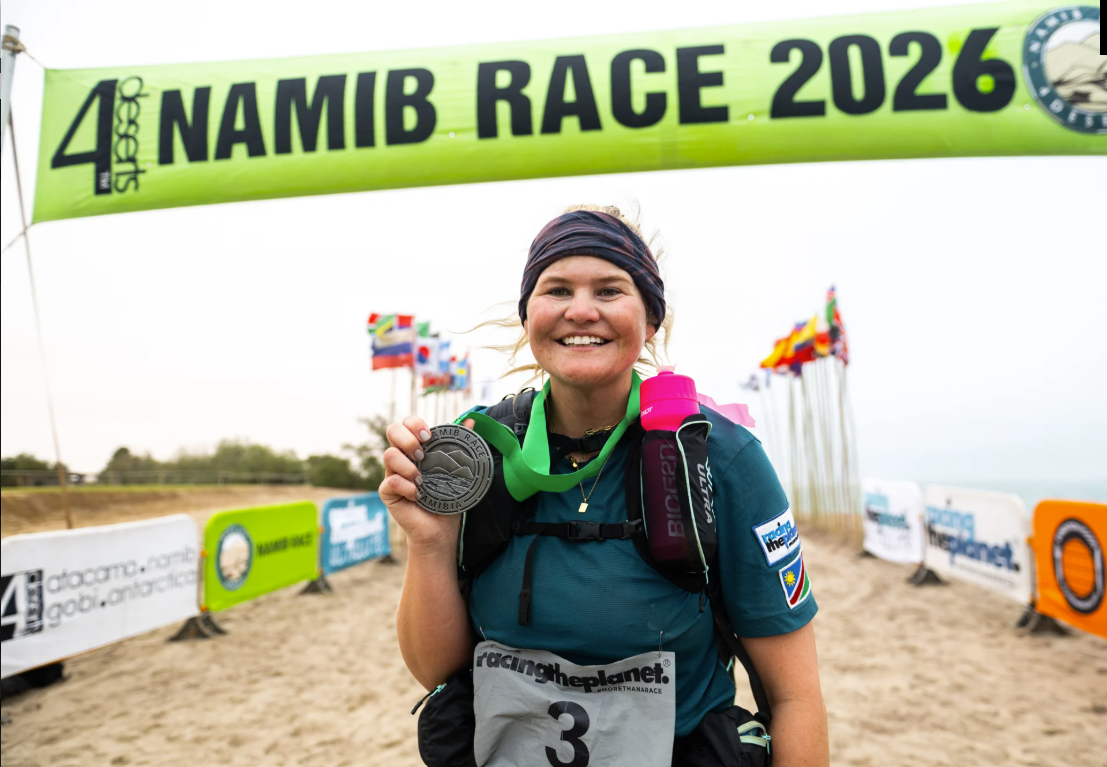
21 August 2026 10:59 pm (GMT) Greenwich Mean Time: Dublin, Edinburgh, Lisbon, London
Rest day - the day when everything hurts a little more, but at least you get to pretend to sleep late.
21 August 2026 10:56 pm (GMT) Greenwich Mean Time: Dublin, Edinburgh, Lisbon, London
The Long March is over…
Comments: Total (1) comments
Ruth Grebien
Posted On: 23 Aug 2026 02:07 pm
19 August 2026 10:57 pm (GMT) Greenwich Mean Time: Dublin, Edinburgh, Lisbon, London
You wouldn’t believe how much there is to do at camp after a run, I completely forgot to write my blog after stage 4 - which feels like a distant memory right now but let’s see.
Comments: Total (1) comments
Ruth Grebien
Posted On: 23 Aug 2026 01:59 pm
18 August 2026 10:55 pm (GMT) Greenwich Mean Time: Dublin, Edinburgh, Lisbon, London
Today I counted,I counted a lot, up to 100 and backwards again. Anything to get my mind off that long hot road ‘ you know the worst part, I know where that road leads, a beautiful desert bar called Goanikontes ‘ with ice cold drinks and lots ice.
Comments: Total (5) comments
Sam Fanshawe
Posted On: 30 Aug 2026 08:32 am
Marcia Hiveluah
Posted On: 21 Aug 2026 02:31 am
Ruth Grebien
Posted On: 19 Aug 2026 05:12 pm
Alan Alchin
Posted On: 19 Aug 2026 11:17 am
Riana Swiegelaar
Posted On: 19 Aug 2026 11:14 am
17 August 2026 10:00 pm (GMT) Greenwich Mean Time: Dublin, Edinburgh, Lisbon, London
We're the tok tokkies now...
Comments: Total (5) comments
Ruth Grebien
Posted On: 19 Aug 2026 05:16 pm
Steffi Grebien
Posted On: 18 Aug 2026 08:41 pm
Marlize Coetzee
Posted On: 18 Aug 2026 04:27 pm
Kosima Büsing
Posted On: 18 Aug 2026 12:17 pm
Alan Alchin
Posted On: 17 Aug 2026 09:03 pm
16 August 2026 10:08 pm (GMT) Greenwich Mean Time: Dublin, Edinburgh, Lisbon, London
Comments: Total (2) comments
Ruth Grebien
Posted On: 19 Aug 2026 05:21 pm
Riana Swiegelaar
Posted On: 17 Aug 2026 10:52 am
10 August 2026 02:30 pm (GMT) Greenwich Mean Time: Dublin, Edinburgh, Lisbon, London
Comments: Total (2) comments
Mary Gadams
Posted On: 15 Aug 2026 05:54 am
Tessa Djarv
Posted On: 11 Aug 2026 04:50 pm
04 July 2026 09:20 pm (GMT) Greenwich Mean Time: Dublin, Edinburgh, Lisbon, London
It really does feel like time is moving at the speed of light.
We're now just six weeks away from the Namib Race, and it's hard to believe it's already been a month since I moved to Windhoek.
I'm really enjoying it here. Spending weekends on pack hikes, getting into a regular gym routine, and focusing more on strength training has finally made me feel like I'm building towards something. There's still plenty of work to do, and I wish I was in this space about 4 months ago, but it is what it is...
The only thing that isn't particularly happy at the moment is my calves. They're permanently tight, so a visit to the physio (and those wonderfully painful sports massages) is definitely on the cards.
Last week I travelled back to Walvis Bay for work and took the opportunity to do a 30km training hike in the dunes. The plan was simple: a proper soft-sand simulation with a big dune climb around the 27km mark. Mother Nature had other ideas. Walvis Bay, which hardly ever sees rain, had an unusually wet night before. The dunes were surprisingly firm, making it one of the easiest times I've ever walked on them! Not exactly the simulation I was hoping for, but at least I got the distance in.
One thing that still makes me a little nervous is my running. I haven't been doing nearly as much as I'd planned. I have a 30km road race coming up on 25 July, although I'm still deciding whether it's worth doing this close to the event.
The real test comes next weekend.
My brother and I are heading to a lodge in southern Namibia for his birthday, and while he'll hopefully enjoy a relaxing weekend, I'll be attempting my biggest training day yet, a 45–50km race simulation made up of 10km loops. It'll be a chance to practise not just the hiking, but the checkpoints too. If there's one thing I've learnt about myself, it's that I can easily spend far too long at a checkpoint. Those minutes add up surprisingly quickly.
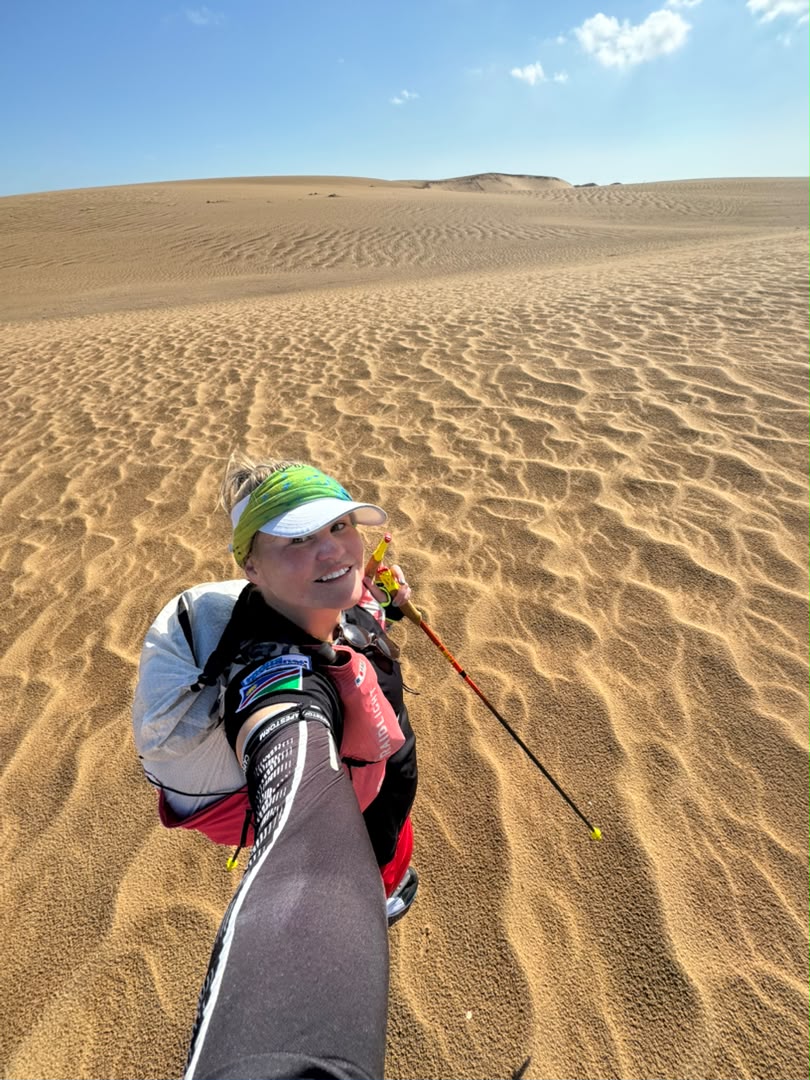
Things i've noted over the past weeks:
- Prepare your blue toilet bag before the stage starts. Put a piece of toilet paper inside before you leave camp. It sounds like a tiny thing, but if nature calls during the race, it's nice to have it prepared .
- Sunscreen. I use a spray sunscreen because I sweat a lot, but I've also started applying a zinc sunscreen (the type surfers and cricketers often use) on my nose and cheeks. It stays put well.
- Hydration. I've realised I can't drink nearly as many electrolytes as I used to, especially once they warm up. Training with lukewarm water has actually been useful because it's taught me what works. These days I'm relying more on salt tablets - I use the 226ERS ones, taking roughly one an hour, and plain water.
- Gels. I've never been much of a gel fan, but I'm planning on taking some for the long march.
Another thing I've noted - I'm eating so much!!! Is anybody else feeling like they've turned into a munching machine? All I want are peanut MnMs and bovril toats and steaks !
It was such a pleasure following the Gobi March - it's made me super excited about meeting all the crazies very soon!
Can't Wait!
Chat soon,
Ange
31 May 2026 04:25 pm (GMT) Greenwich Mean Time: Dublin, Edinburgh, Lisbon, London
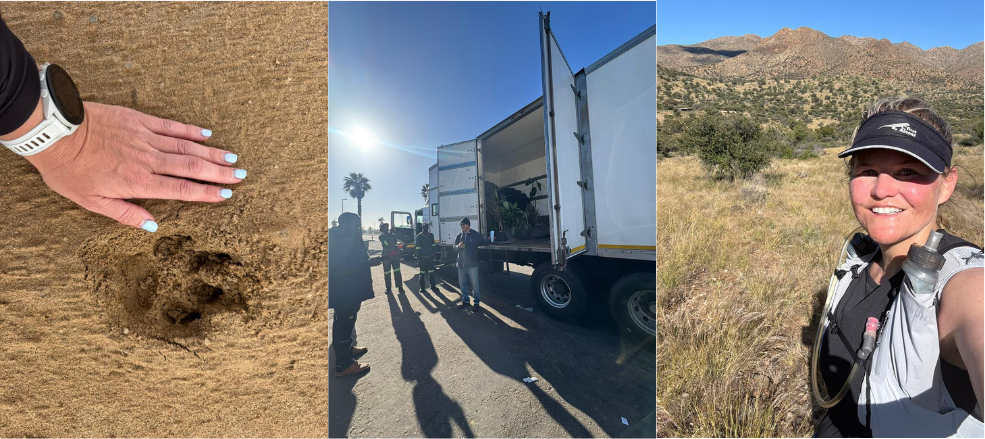
Comments: Total (1) comments
Sam Fanshawe
Posted On: 01 Jun 2026 07:21 pm
30 April 2026 10:44 am (GMT) Greenwich Mean Time: Dublin, Edinburgh, Lisbon, London
Consistency, consistency, consistency… that was the goal for March.
April had other plans.
I spent 10 days in South Africa middle April. I managed to complete a 21km at the Two Oceans in Cape Town, and to be honest - it was a rough one. Stomach issues, heat, humidity, and a level of unfitness that was hard to ignore. It wasn’t the race I had hoped for, but it was definitely a wake-up call.
Since then, I’ve been trying to keep things going - running about three times a week and continuing with Pilates - but life has been busy. A move to a new town, packing up, selling furniture, and managing some construction work at home took priority. Training slipped more than I would have liked, and I still haven't made strength training a priority.
I only managed one pack hike in April. That was another reality check. I had forgotten just how uncomfortable it can be (How I managed to complete Gobi without training with a pack I have no idea).
But this is part of it. Life happens, and your Garmin can't take everything into account :)
Not every month is going to feel strong or structured. Sometimes it’s just about doing what you can and not stopping completely.
May will bring a bit more stability (sort of). I’ll be moving in two weeks, and then I can properly reset (join a gym, finally start swimming, and hopefully connect with a hiking group). Nothing drastic, just building a bit more structure into the weeks.
For now, it’s back to the basics. I’ve got back-to-back pack hikes planned for this weekend, and I’m looking forward to getting uncomfortable again.
The Namib Race is getting closer!! 3 months of hard training to go. 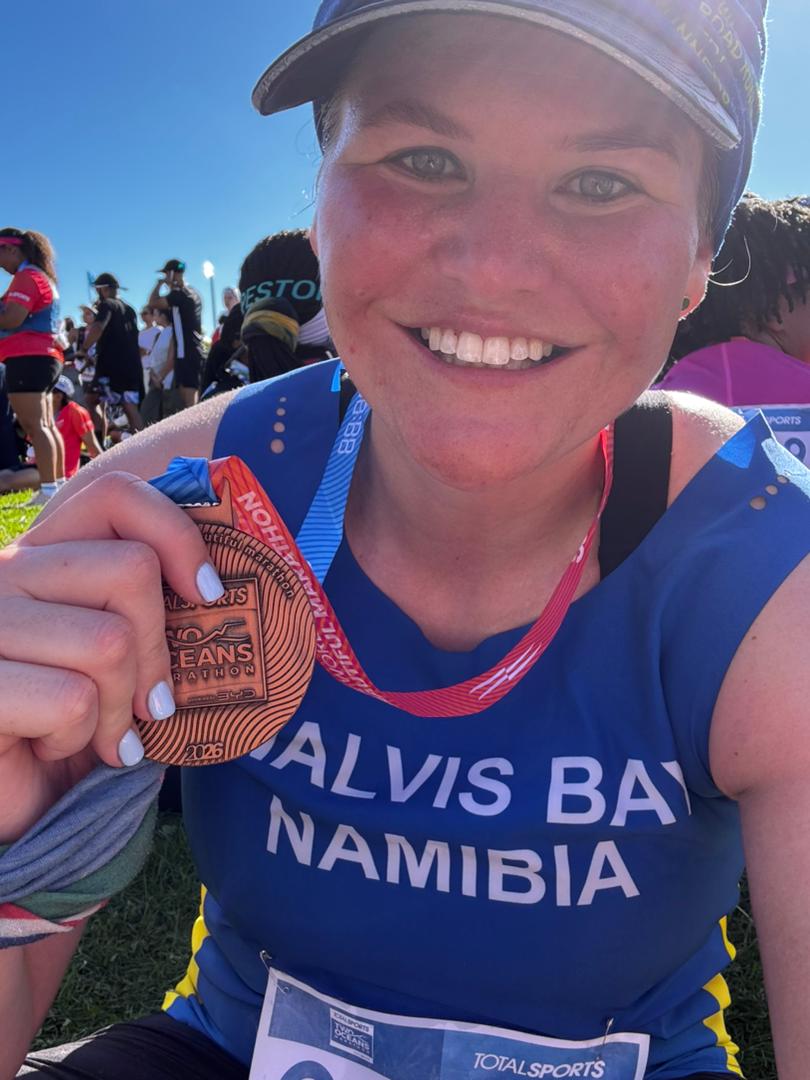
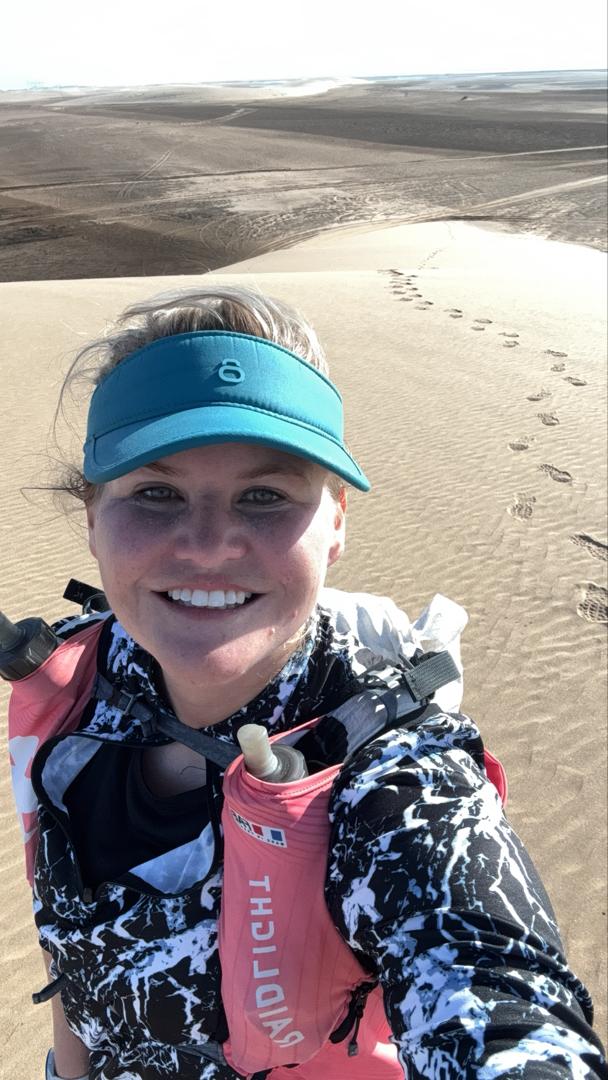
Comments: Total (2) comments
Kosima Büsing
Posted On: 13 May 2026 06:27 am
Sam Fanshawe
Posted On: 02 May 2026 10:52 am
07 March 2026 08:17 am (GMT) Greenwich Mean Time: Dublin, Edinburgh, Lisbon, London
I'm not a big fan of running - or rather the training leading up to an event. I love the events though. I think a lot of that has to do with the people you meet and the shared experience of going through something tough together.
With the Namib Race coming up, the goal right now is to try and enjoy the journey rather than just focusing on the destination.
Competing in the Gobi March, Jordan’s 20-Year Race, and The Last Desert in a span of six months - mostly on a whim - meant the weeks beforehand were always something to get through. It was rushed, chaotic, and mostly fuelled by adrenaline. Until now, I never really had to sit in those weeks for long.
This time is different. I have time, and I already feel like I’m wasting some of it.
February, if I’m honest, involved more procrastination than progress. I’ve said yes to 250km with very little preparation before and managed to survive. But I don’t want to repeat my past race experiences. The excitement of the Gobi March carried me through, but the lack of training definitely showed in Jordan (and it was miserable).
Training or no training, you suffer in these races. That’s part of the deal. But there’s a difference between the honest suffering of a hard challenge and the avoidable suffering of underprepared legs and sleepless nights because everything aches too much to rest. The desert exposes whatever you didn’t prepare for.
So this time, I’m trying to be more intentional.
As I mentioned, I’m not a huge fan of running at the moment, so I’m mixing things up with some cross-training. Right now that looks like Pilates twice a week, running three times a week, and cycling twice a week. The runs aren’t epic, mostly slow 5–8km runs, with a longer Saturday run that reaches about 15km.
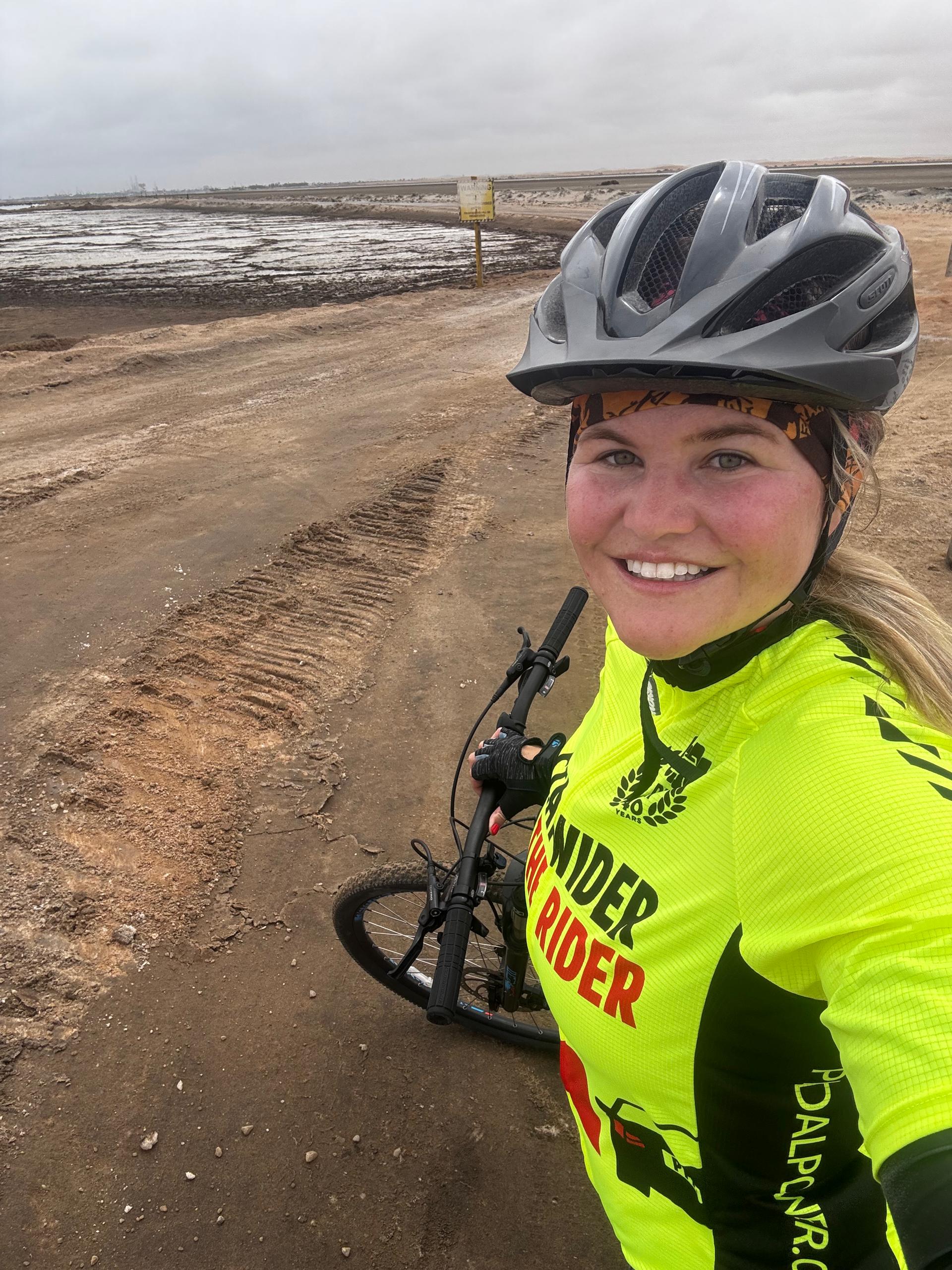
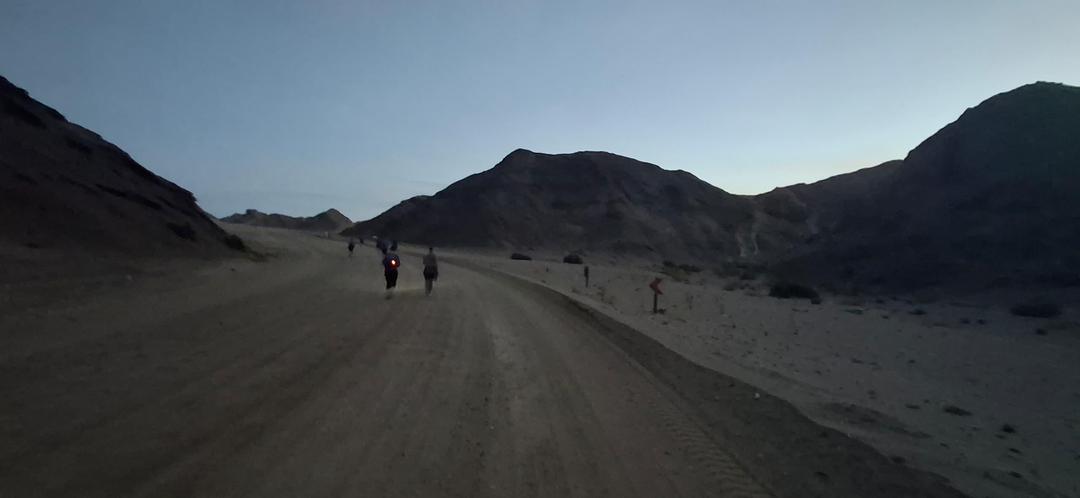
It’s not glamorous, but it’s a start. I’m trying to appreciate the consistency rather than just focusing on the finish line.
In March I’m adding pack hiking with a 6kg pack and spending more time on the dunes and gravel roads, one advantage of calling Namibia home. Strength training also needs to take a front seat.
I’m terrible at following strict training schedules or tracking stats on a board, so my goal right now is simply to show up five to six days a week. I don’t get it right every week, but I’m trying.
My goal for the Namib Race is simple: to get through each day without being completely shattered at the end and hopefully still have enough energy left to sit with my fellow competitors and celebrate that another stage is done.
I can definitely say yes to lots of suffering, but now I want to say yes to the weeks and months of prep before the race!
Focus for March:
consistency, consistency, consistency.
Ange :)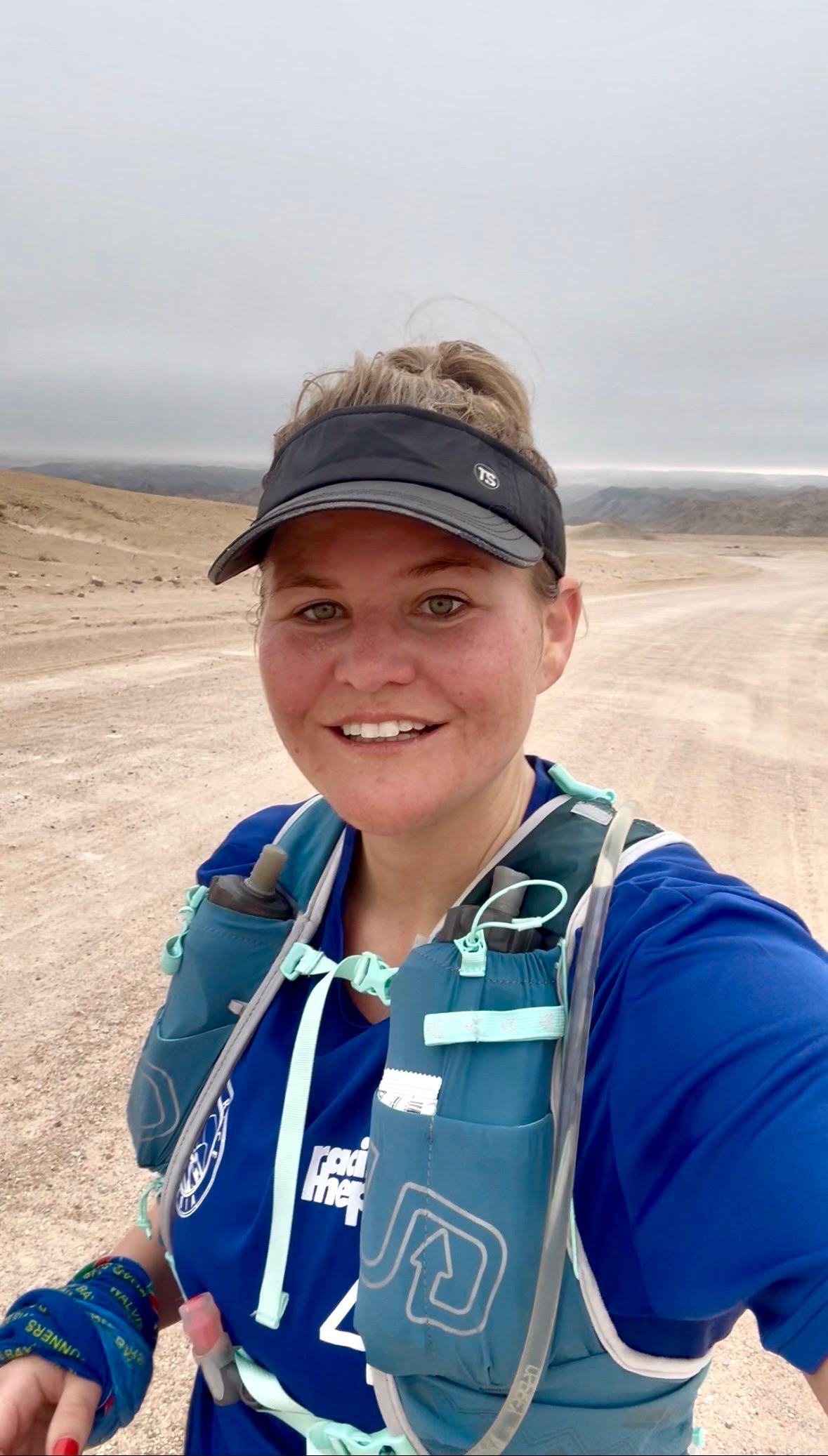
Comments: Total (1) comments
Sam Fanshawe
Posted On: 07 Mar 2026 09:58 am
27 January 2026 12:42 pm (GMT) Greenwich Mean Time: Dublin, Edinburgh, Lisbon, London
I knew very little about ultra running - and even less about multi-day stage races - when I came across a Facebook post talking about the 2022 Namib Race. The event was only three weeks away and volunteer slots were already full, but I decided to email the race directors anyway to see if they could use one more. They said yes.
Soon, I found myself cheering on the most inspiring group of people I had ever met, traversing 250km across the desert. I loved everything about the volunteer experience - the lack of sleep, no showers for a week, and being an encourager and helper throughout the race. Somewhere along the way, I quietly thought: maybe one day I’d be brave enough to try this myself.
Life went on, and two years passed. In April 2024, I volunteered at the Namib Race again. One evening around the campfire, I spoke to two inspiring runners, Sandeep and Simran, who invited me to join them for the Gobi March - happening in just six weeks. Naturally, I told them they were crazy. There was no way one could prepare for something like that in such a short time, not to mention the financial commitment involved.
Nevertheless, they persisted - and about a week after the Namib Race ended, my answer was yes.
The following month was spent in complete panic mode. Sandeep helped me set up a GoFundMe, and I was blown away by the generosity of the running community. Entrance fee paid, flight booked - Mongolia, here I come.
At that point, I was far from prepared. I wasn’t a couch potato, but I had only just suffered through my first marathon, with my longest training run being 27km. (I came dead last in that marathon, by the way.)
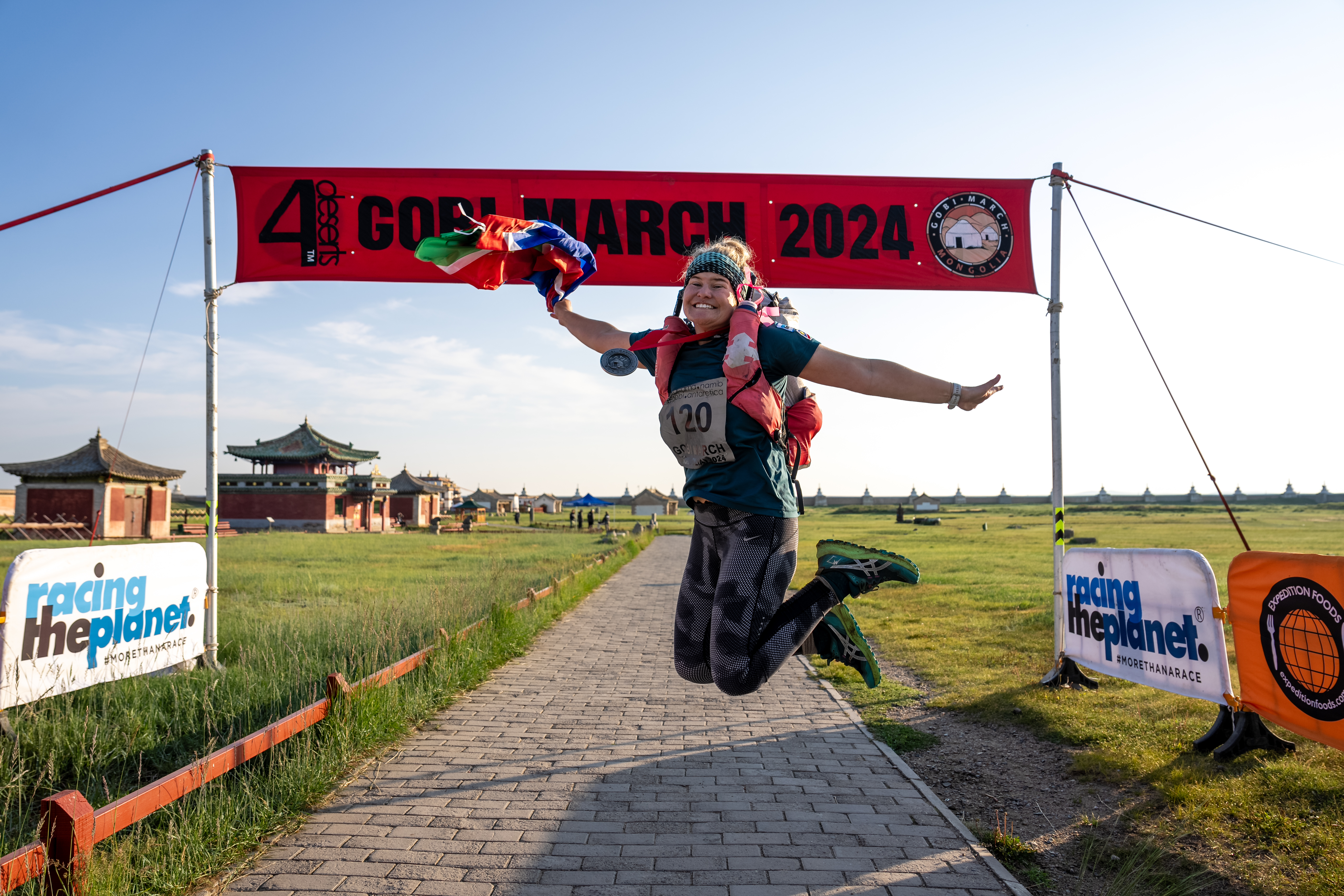
And yet, there I was - standing at the start line of the Gobi March, ready to take on 250km with no ultra-running or multi-day stage race experience. The lesson? Say yes first. Figure it out later. My incredible (life) coach, John Bezou was a huge source of encouragement throughout this journey, and I’ll always be grateful to him.
The Gobi March was the toughest challenge of my life, but with blistered feet, a humbled heart, and a huge smile, I crossed the finish line.
I was hooked.
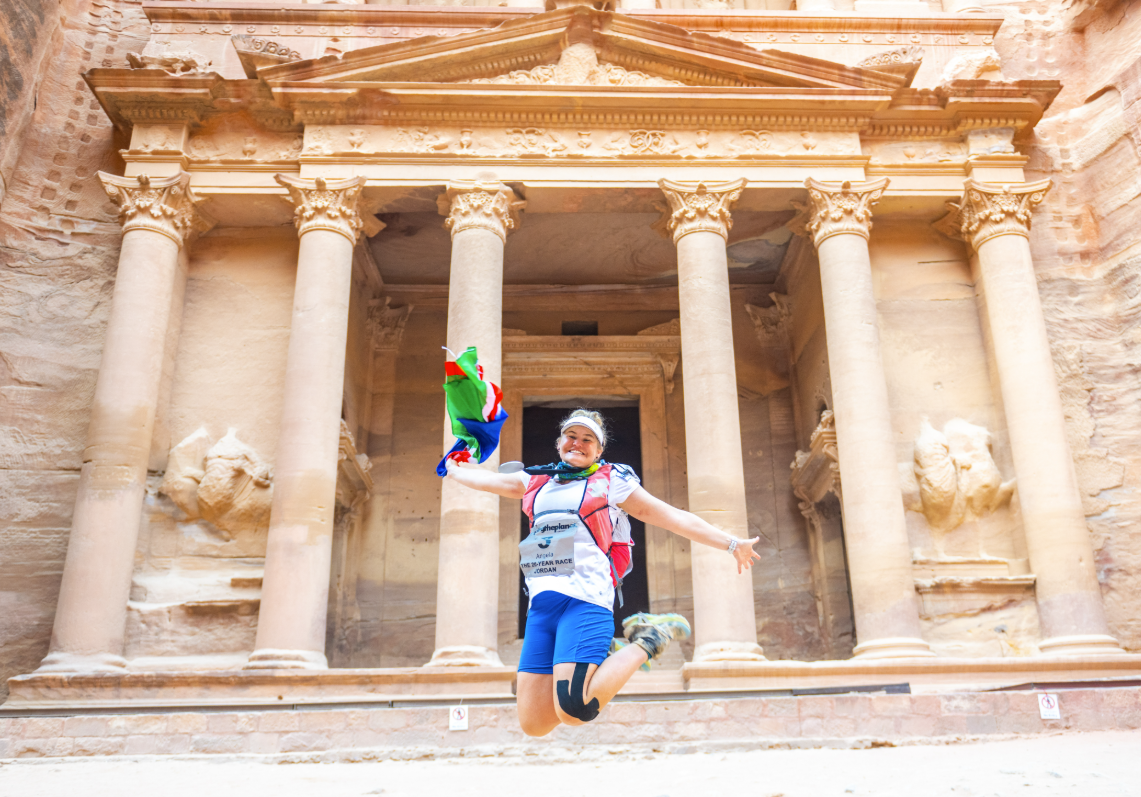
About a week later, I signed up for the 20-year anniversary race in Jordan. Unlike Gobi - which felt new, exciting, and beautiful - I absolutely hated Jordan. Although beautiful, it was brutally tough, with relentless inclines, what felt like 200km of thick sand, and endless sun. Somehow, I finished that one too.
Two races meant a chance at an invitation to Antarctica. I emailed the race directors once again. There was no space, but they mentioned the possibility of a cancellation. For the first time, I felt almost embarrassed to dream this big - what was a small-town girl like me thinking, even daring to imagine Antarctica? I mentioned it quietly to friends and family, half-hoping and half-dismissing it as impossible.
Two months before departure, I got the spot. What followed was a mad scramble to raise funds, gather gear, and train in Namibia - a story far too long for this blog, but one filled with asking for a lot of help, finding creative and intuitive ways to raise money (including selling personal belongings), and riding a rollercoaster of emotions, anxiety, and doubt.
Finishing The Last Desert was indescribable. It was the most beautiful place I have ever experienced, and I feel incredibly lucky to have had that opportunity. From total newbie to three races in six months - it’s amazing what saying yes can lead to.
After a short break, I found myself itching for more and took part in the inaugural RacingThePlanet Ultralite race in Greece. It was certainly more enjoyable, but it reminded me that what I truly love is the shared suffering and pushing your body to its limits alongside others.
I never imagined completing even one race, yet here I am with my eyes set on the Four Deserts Club. With two deserts still to go - the Namib Race (Namibia) and Atacama Crossing (Chile) - I find myself especially anxious ahead of the Namib Race. Racing elsewhere comes with a certain ignorance, and ignorance is bliss. With the Namib Race, I know exactly what’s coming. The terrain can be unforgiving, the conditions unpredictable, and the heat - oh, the heat - can take out even the fittest competitors.
This time around, I’m giving myself the opportunity to train properly, and I’m curious to see how that changes the experience. The Namib Desert should never be underestimated - she will tame you - but I’m excited to finally take my place on the start line.
Most of all, I’m looking forward to welcoming fellow competitors to my home country. Namibia and its people will welcome you with open arms. If you’re still in doubt whether you can manage this race - JUST SAY YES AND SIGN UP NOW! You’ll be surprised how far your mind can push your body.
See you in Namibia.
Ange
Comments: Total (4) comments
Mabasa Mubatapasango
Posted On: 05 Sep 2026 08:32 pm
Mary Gadams
Posted On: 30 Aug 2026 02:09 pm
Sam Fanshawe
Posted On: 30 Aug 2026 08:35 am
Tessa Djarv
Posted On: 29 Aug 2026 05:09 pm