



 Newsletter
 Online Store
 Login
Login


RACE INFO

RACE INFO
I’ve done a RacingThePlanet event before – so how is The Gobi March different… and how is it the same?
What’s the same?
All the (awesome) RacingThePlanet things you know and love.
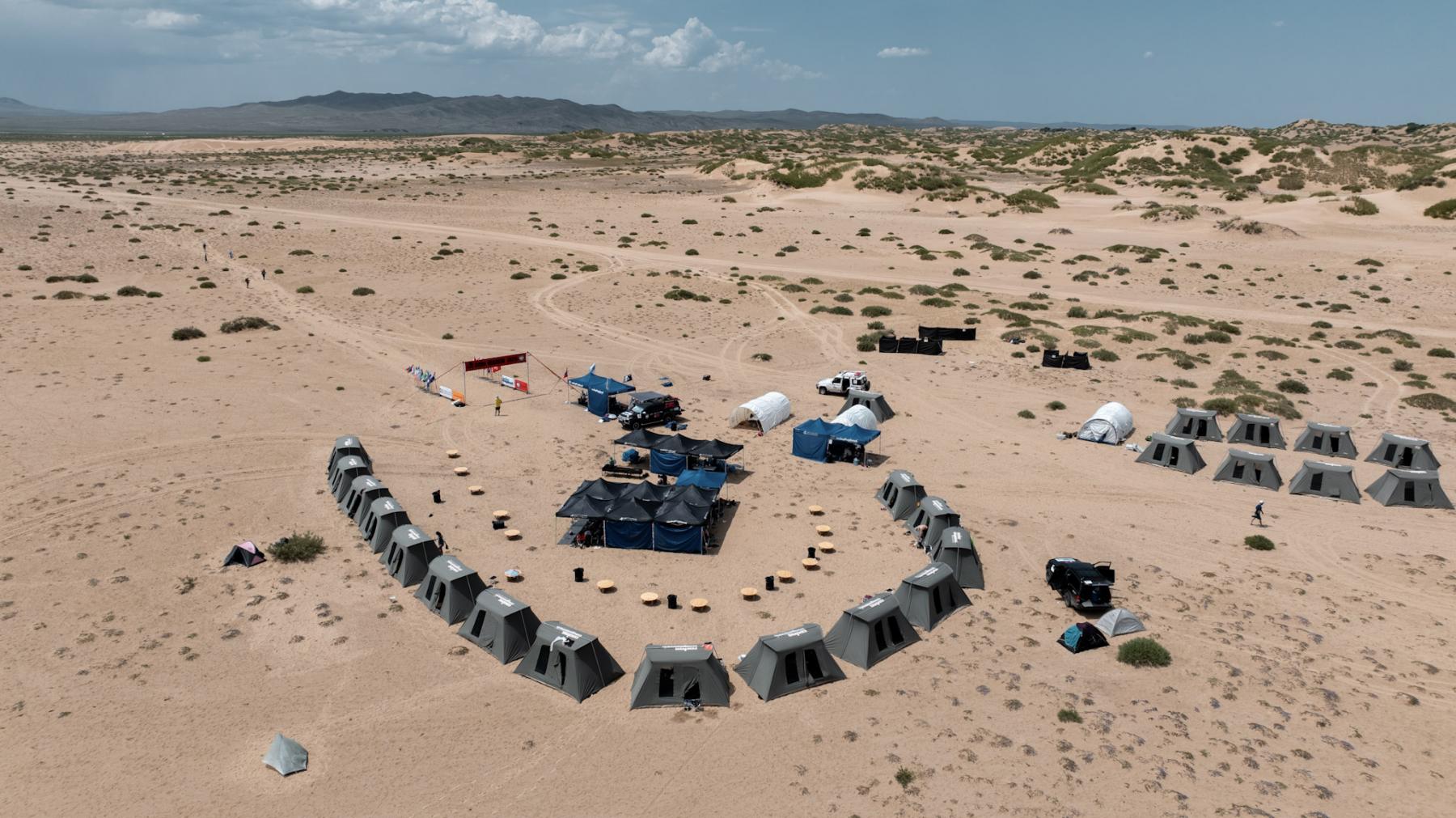
The unique campsite vibe remains, wherever in the world we take it – from the post-finish-line buzz in camp when everyone gathers to swap “war stories” from the day while the medical team work miracles on tired feet, to the early-morning steaming kettles and crackle of the campfire as the sun creeps up.
The unbeatable RacingThePlanet global family - a mix of competitors, volunteers, and staff from every corner of the world coming together in the middle of nowhere to make something extraordinary happen, there’s nothing quite like it.
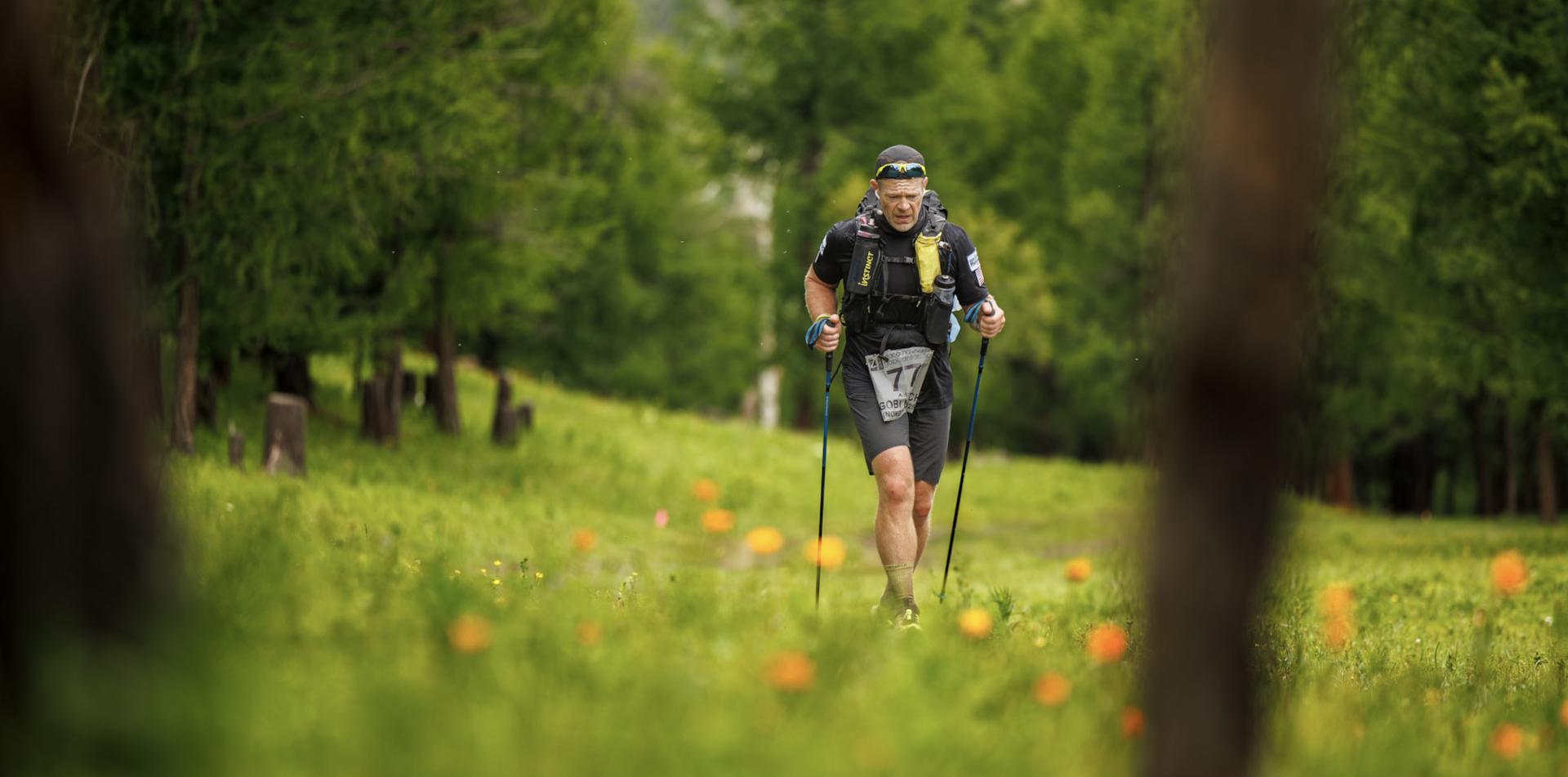
And of course, the classic RacingThePlanet format - Four ~40km stages, one epic Long March (~80km), and a final shorter dash to the finish line. Gruelling and glorious.
What’s different?
Let’s start with the toilets — or lack thereof!
In Mongolia, there are no portaloos or porta-potties. Instead, you’ll be treated to a freshly dug hole in the ground each day, complete with privacy partitions lovingly assembled by the local camp crew. Once you embrace the alfresco squat, you might actually prefer it to squeezing into a hot plastic box, we promise! The medical team say this is actually the most hygienic option!
Then there’s the wildlife and culture.
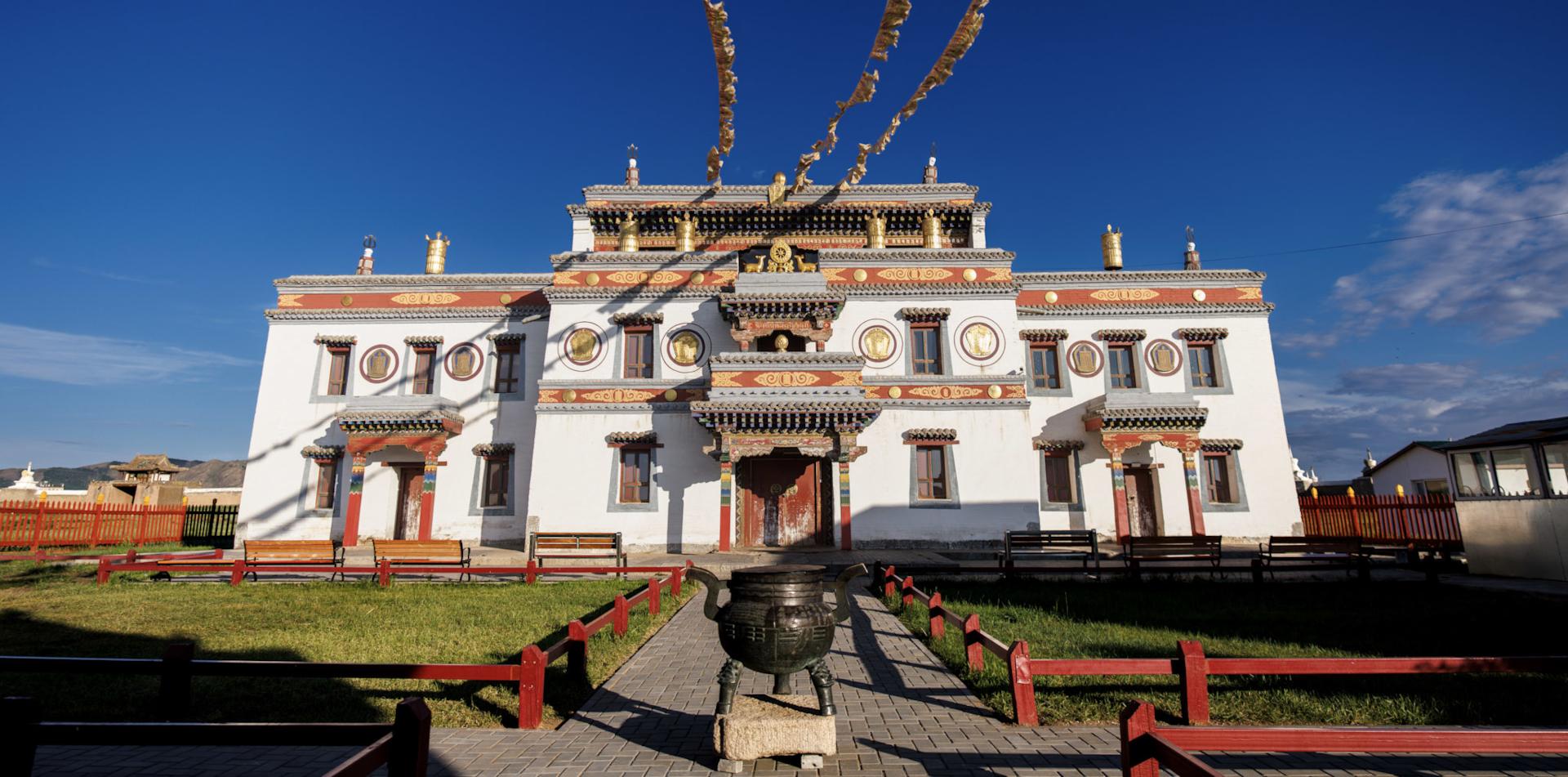
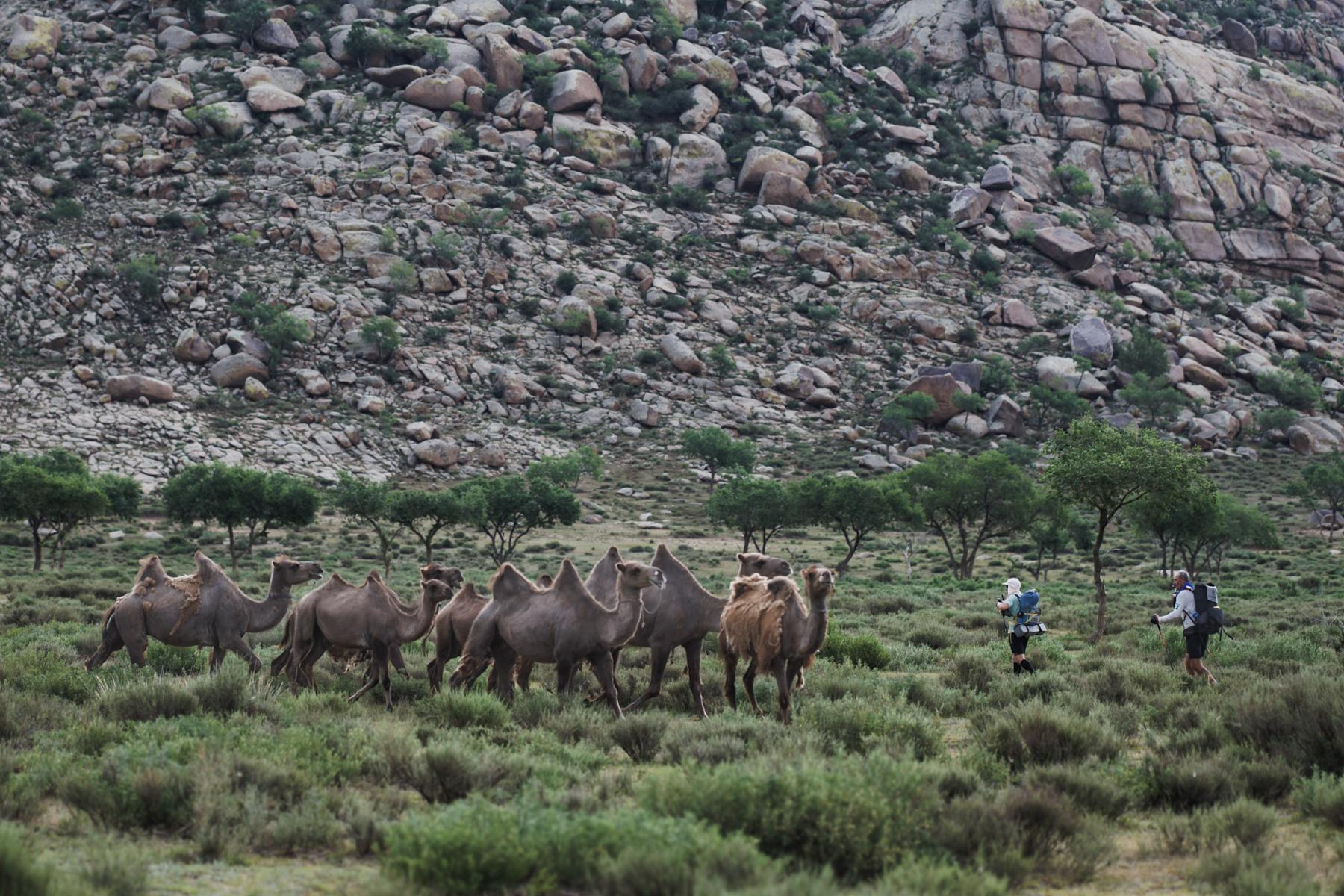
Expect to share the trail with locals on horseback, flocks of sheep, herds of camels, wild horses, and wakes of vultures. You’ll see smiling children, bemused at why anyone would choose to run so far, and shy herdsmen peeking out of their gers as you pass. This race feels alive with people and nature in a way that’s uniquely Mongolian.
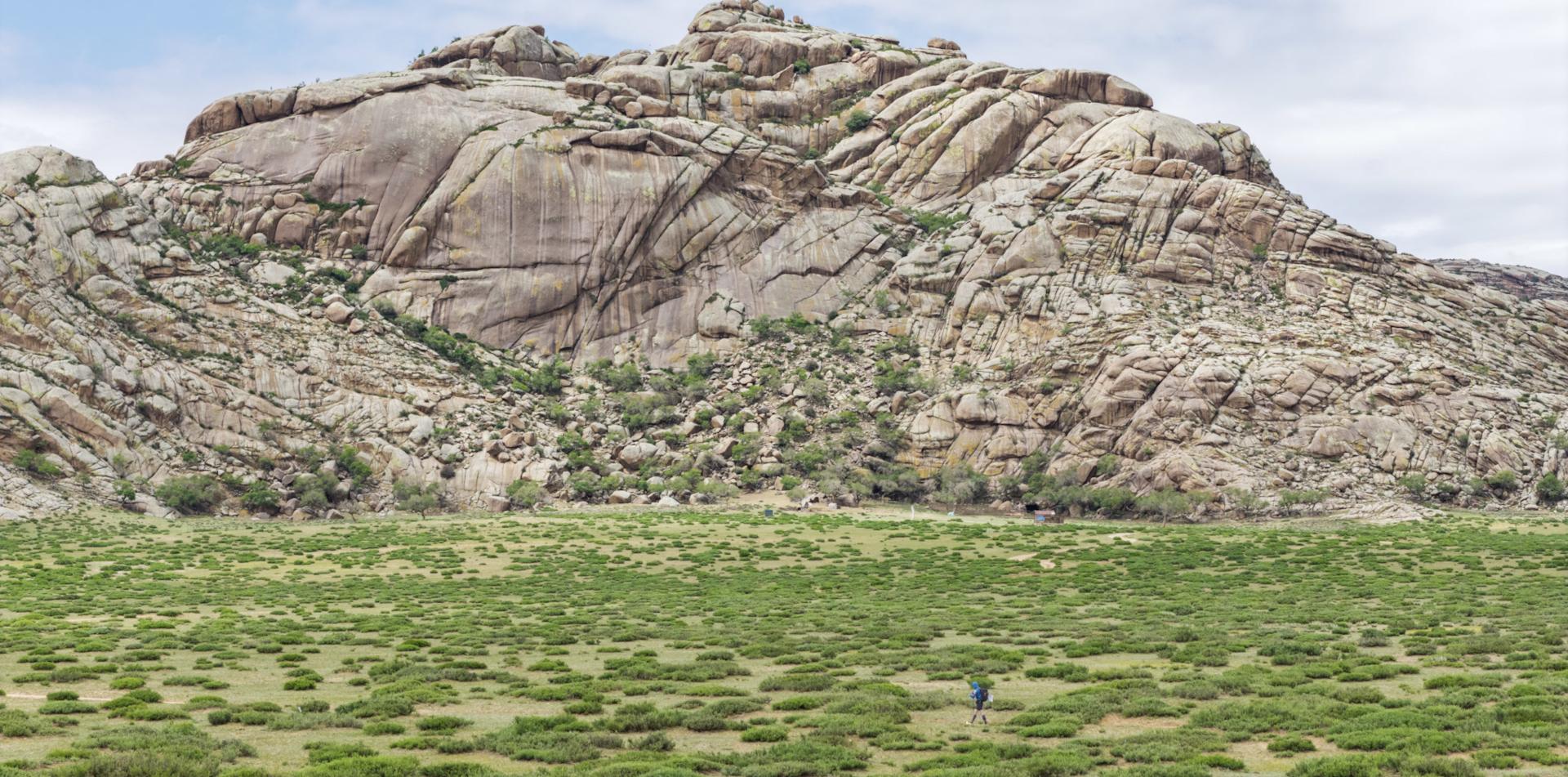
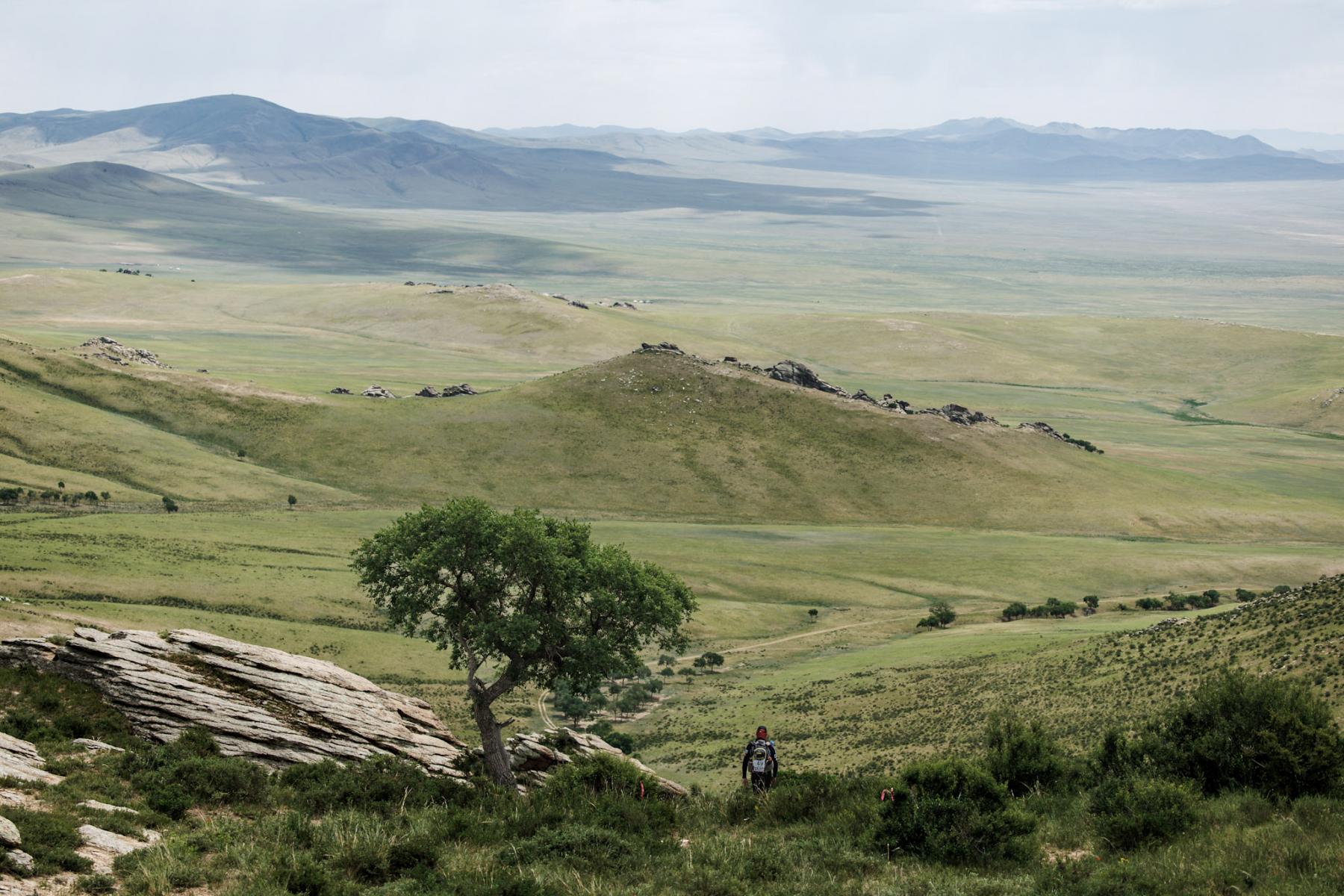
Topographically, the Gobi March offers less sand but more elevation - it’s not the flattest of the four desert races, but one where the shoes are less likely to fill with sand.
And one last twist: in Mongolia, The Long March usually comes at Stage 4, not Stage 5 like in the Atacama Crossing or Namib Race. Whether that’s a blessing or a curse? We’ll let you decide.