Newsletter
 Online Store
 Login
Login


RACE INFO

RACE INFO
Whaling in Antarctica
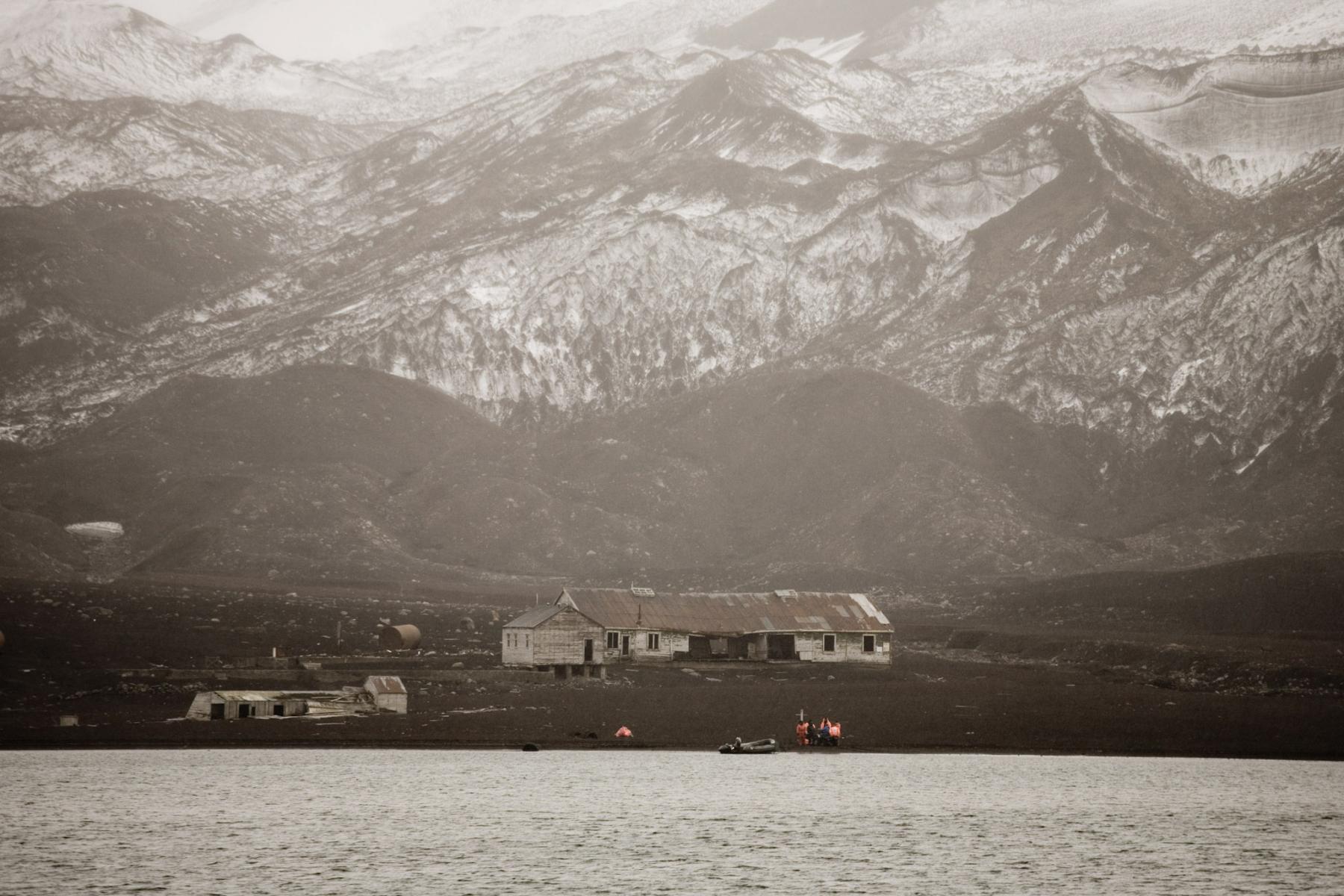
Antarctica's whaling history began in the early 20th century, when industrial fleets hunted the Southern Ocean’s abundant baleen whales. Nations like Norway and Britain established floating factories and shore stations, driven by demand for whale oil and meat.
One of the most notable sites was Deception Island, a volcanic caldera in the South Shetland Islands. Its sheltered harbor made it a strategic base for whaling operations. From 1906 to the 1930s, Norwegian and British companies processed thousands of whales here. But life on the island was harsh: whalers endured bitter cold, isolation, and the constant threat of volcanic activity.
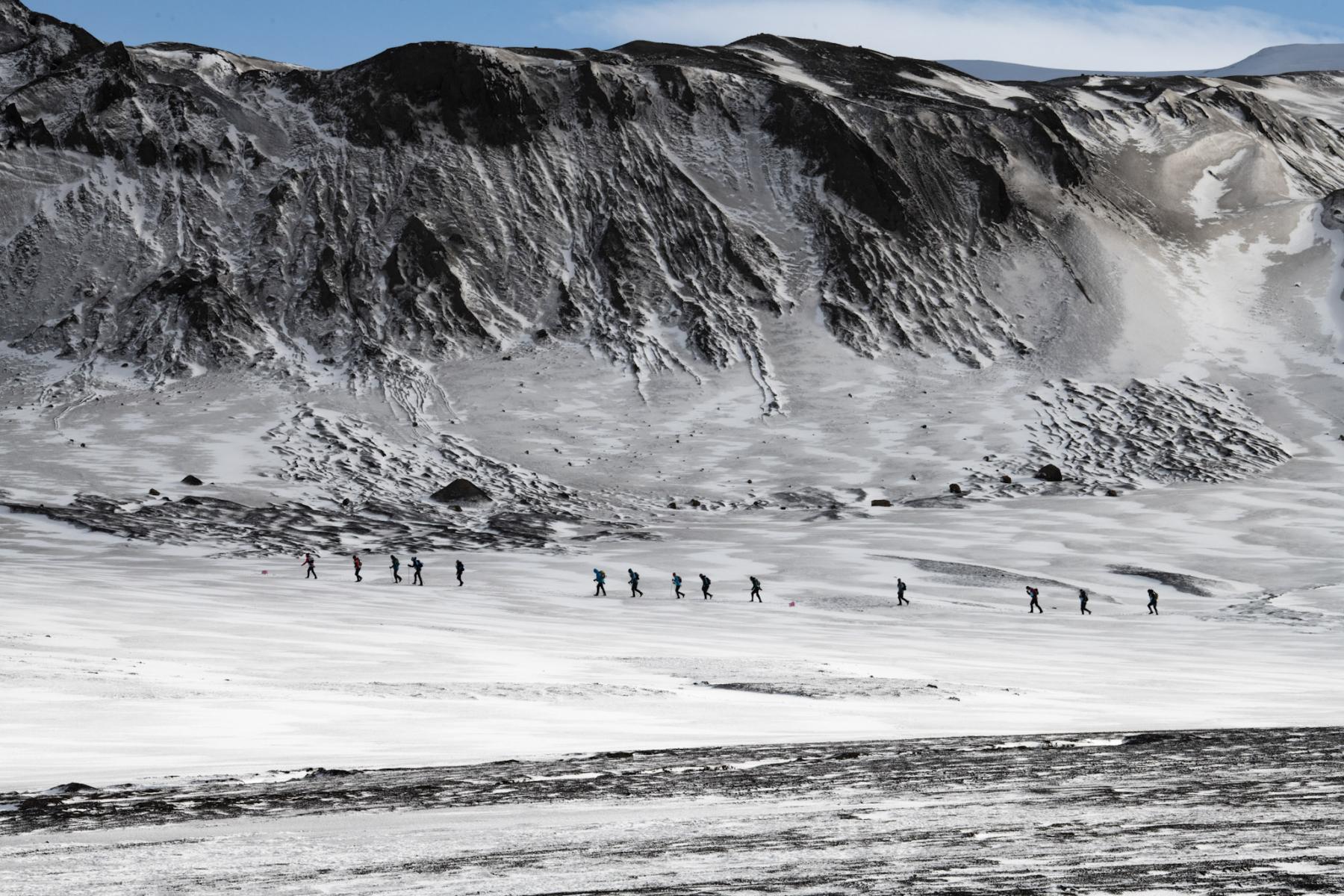
In 1920, a violent eruption damaged facilities and forced evacuations with operations temporarily halted. Over time, declining whale populations and economic shifts led to the island’s abandonment. By the 1930s, most whaling activity had ceased, leaving behind rusting boilers, oil tanks, and whale bones.
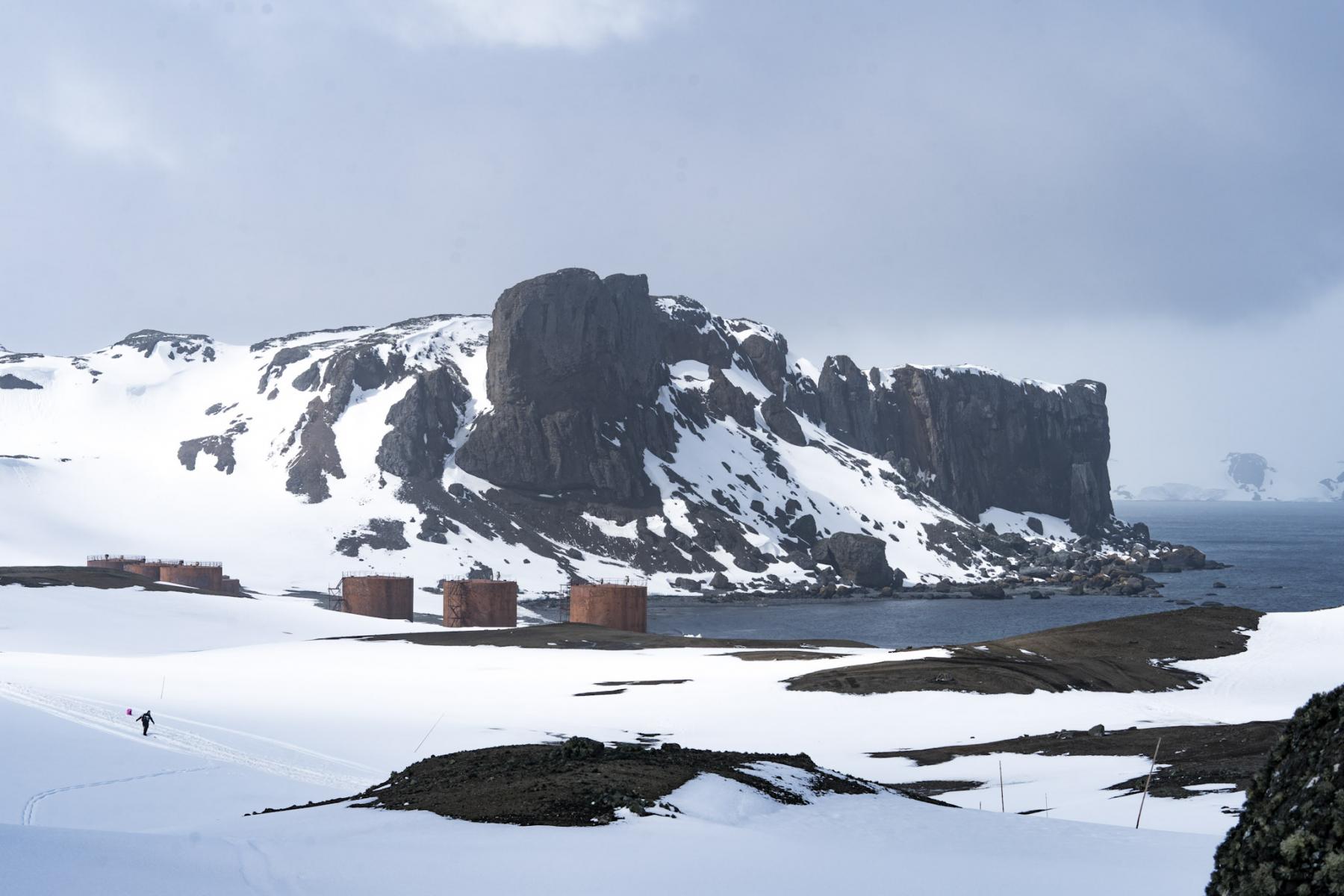
Today, Deception Island stands as a haunting monument to Antarctica’s industrial past—a place where nature reclaimed the remnants of human ambition. Its ruins offer insight into the environmental cost of exploitation and the resilience of those who once worked in one of Earth’s most unforgiving frontiers.
Deception Island was the host for one Stage of The Last Desert in 2006, and has hosted many Stages of The Last Desert since that time.